Gross-Rosen Museum: Visiting From Wroclaw
Gross-Rosen was a Nazi concentration camp; today its grounds at Rogoznica hold a state museum with free entry, about an hour and a half by road from Wroclaw. This guide covers hours, the guided-group rule, and the combined tours that pair the memorial with Ksiaz Castle and the Project Riese tunnels.
Short answer
The Gross-Rosen Museum in Rogoznica is open daily, 8:00 to 18:00 from May to September and 8:00 to 16:00 from October to April, and individual entry is free. Groups of 10 or more must buy a guide service. From Wroclaw, most visitors reach it on a combined tour with Ksiaz Castle, from $253 per person.
The Gross-Rosen Museum occupies the grounds of a former Nazi concentration camp at Rogoznica in Lower Silesia, roughly 70 kilometres from Wroclaw in the direction of the Owl Mountains. Individual visitors enter free of charge, which surprises many people who expect a ticket barrier at a site of this scale. The memorial sits close to the Ksiaz Castle and Project Riese circuit, and several Wroclaw-based tours bundle all three into a single day, which is how most international visitors now experience it. If the tunnels under Ksiaz Castle are what draw you to this corner of Lower Silesia, our guide to Project Riese and Hitler's secret underground city explains what the Nazi tunnelling programme involved and which parts you can still walk through today.
The museum is a place for a factual, respectful visit rather than a photo stop. Gross-Rosen operated from 1940 to 1945 as a concentration camp, and its prisoners supplied the forced labour that dug the Project Riese tunnels beneath Ksiaz Castle and the Owl Mountains. That connection is the reason this site keeps appearing on Ksiaz itineraries: the castle's underground route tells one half of the story, and the memorial at Rogoznica tells the other. For orientation on that wider history, the Project Riese tunnels explained guide covers the full network, and the memorial itself publishes its visitor information in English on its own site.
What Is The Gross-Rosen Museum?
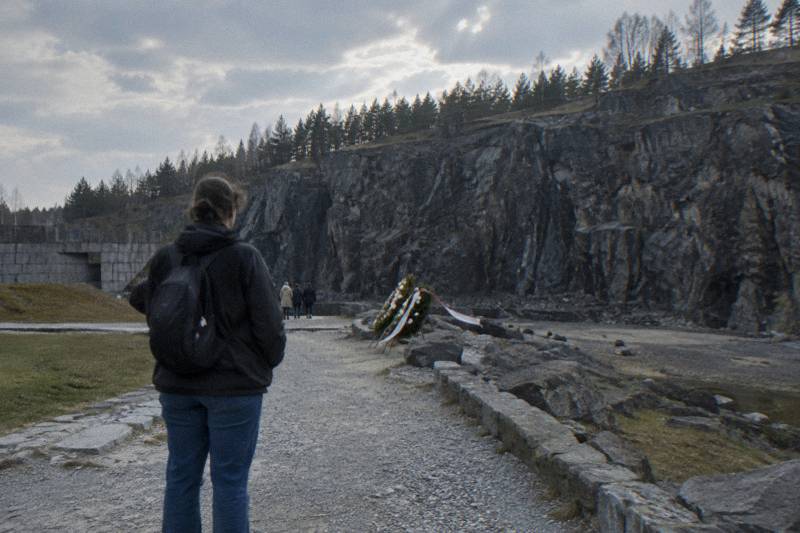
The Gross-Rosen Museum is a Polish state museum on the site of the former Gross-Rosen concentration camp near Rogoznica, preserving barracks, the quarry where prisoners were worked, and exhibitions on the camp's history from 1940 to 1945. Entry is free for individuals, and the site lies about 7 kilometres from Strzegom on road 374, with its own railway station.
The camp was established in 1940 as a subcamp of Sachsenhausen and later became an independent camp. Its location was chosen for the granite quarry, where prisoners were forced to extract stone in brutal conditions. The camp grew into a network of subcamps across Lower Silesia, and by the end of the war tens of thousands of prisoners had passed through, among them Jews, Poles, Soviet prisoners of war, and political prisoners from across occupied Europe. Thousands died there from exhaustion, starvation, violence and executions.
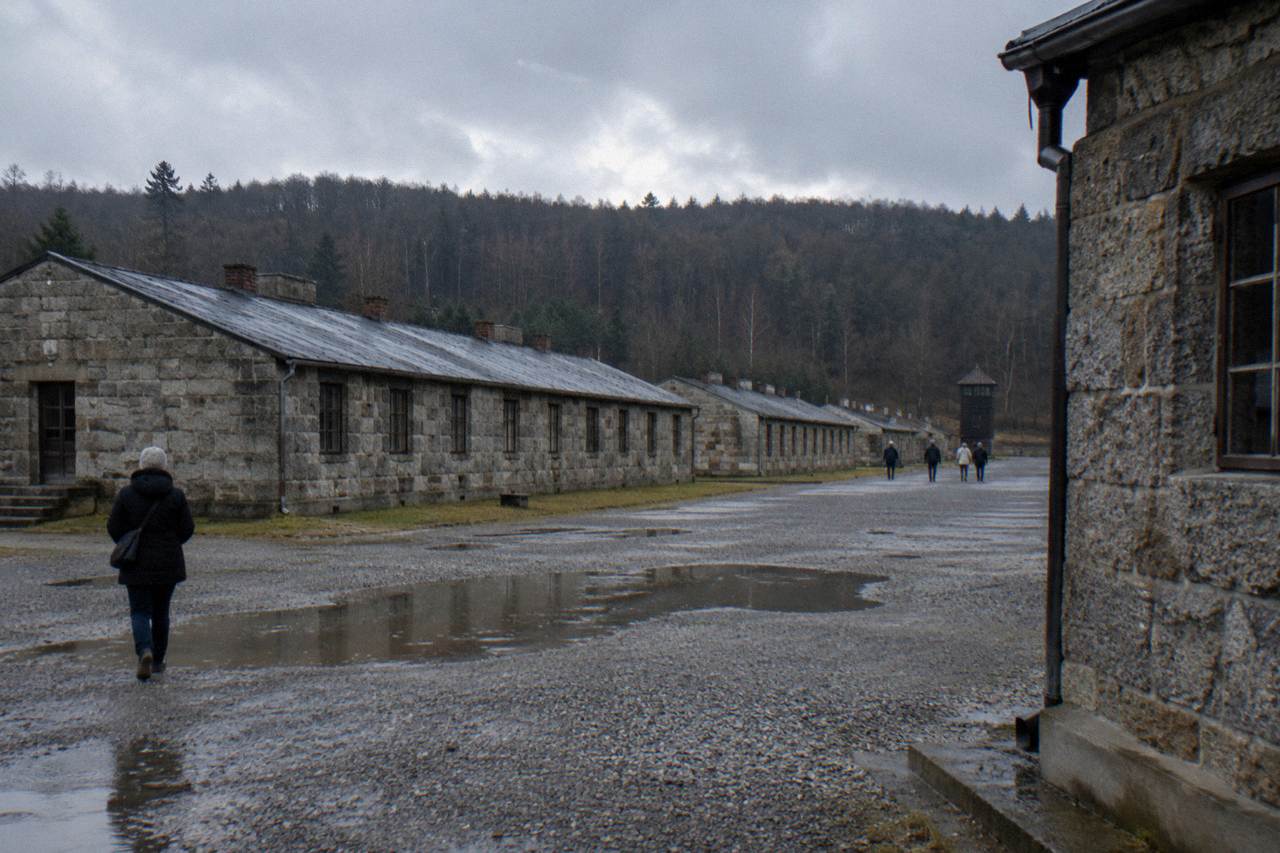
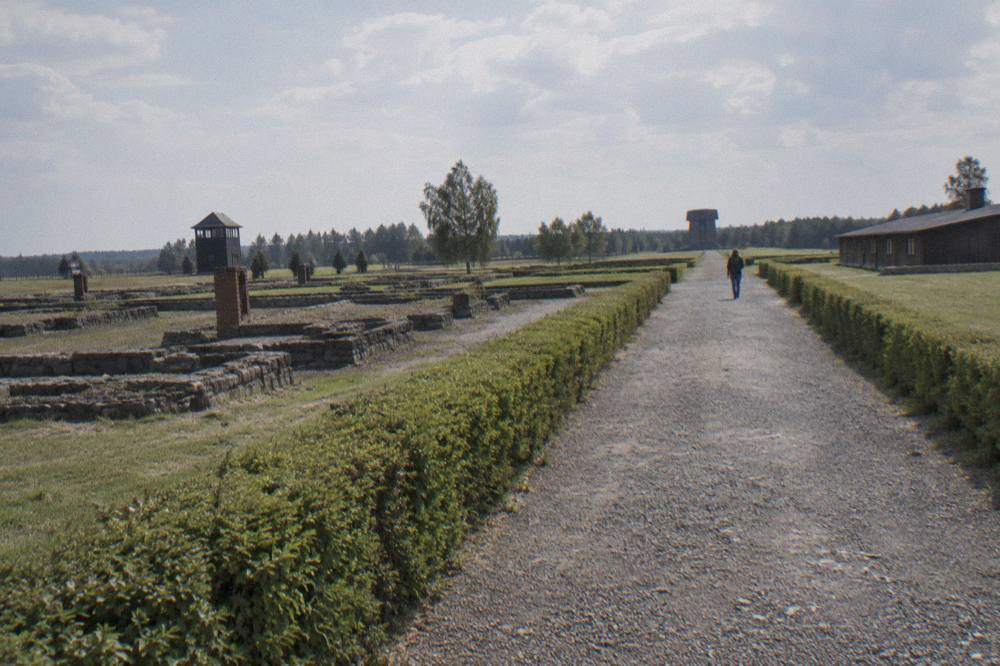
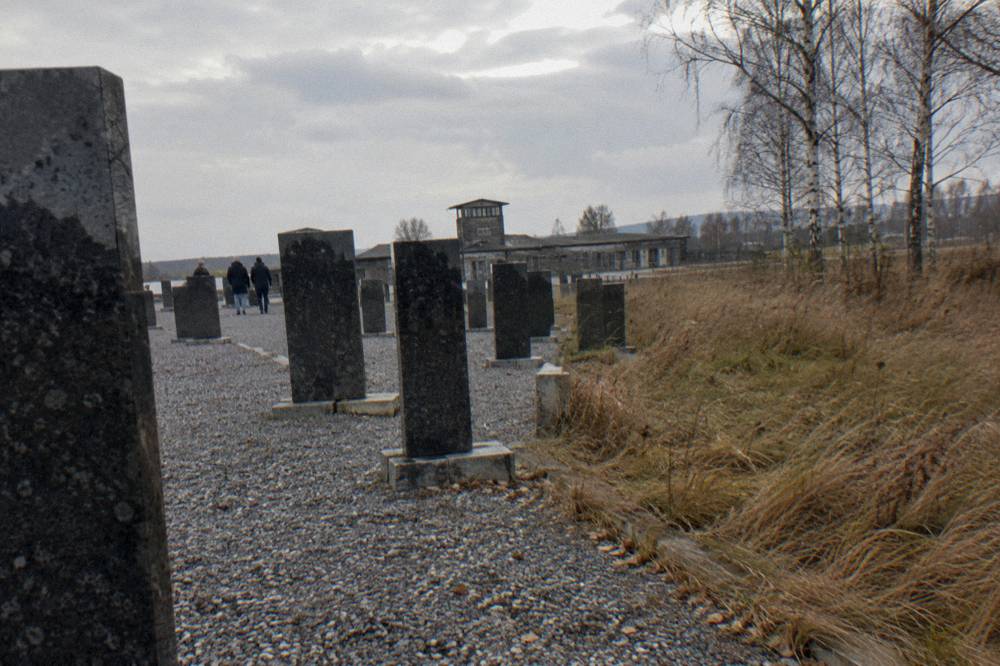
The museum's exhibitions cover the camp system, the quarry, and the subcamp network, and the site itself carries much of the message: the watchtower foundations, the barracks outlines, and the quarry face are all preserved. Visitors typically spend two hours or more on the grounds, and the museum recommends that pace rather than a quick walkthrough. The tone throughout is memorial rather than sensational, and it is worth matching that register in how you plan the day.
“Dieser Ausflug ist nur zu empfehlen! Ein zuverlässiger und sicherer Service sorgte für ein Erlebnis der besonderen Art.”
The historical link to Ksiaz Castle is direct. From 1943, prisoners from Gross-Rosen subcamps were put to work on Project Riese, the secret Nazi construction programme that carved tunnels under Ksiaz and at several sites in the Owl Mountains, including Osowka. The Project Riese programme is documented in detail elsewhere, but the essential point for a visitor is that the tunnels under the castle and this memorial are two ends of the same history. That is why combined tours exist, and why they are structured the way they are.
How Do You Get To Gross-Rosen From Wroclaw?
There is no practical direct public transport link for a day trip: the museum sits at Rogoznica, 7 kilometres from Strzegom on road 374, and while a railway station exists, the station-to-site leg makes independent rail travel slow. Most visitors from Wroclaw go by car or on a combined tour, with driving time of roughly 90 minutes each way.
Driving yourself gives the most control. The route runs west from Wroclaw towards Strzegom and Jawor, and the museum is signposted from road 374. Parking at the memorial is on site. The difficulty with a self-drive plan is fitting Gross-Rosen together with Ksiaz Castle and the tunnels: the sites sit on opposite sides of the Wałbrzych area, and a full circuit is a long day of driving on regional roads.
The train option exists on paper. Rogoznica has a railway station, and regional services connect the line towards Strzegom and Jawor. The catch is frequency and the last leg from the station to the memorial gates, which turns a simple journey into a half-day logistics exercise in each direction. Unless you have a specific reason to travel by rail, the museum works far better as part of a road itinerary.
“Awesome trip and an amazing driver. The communication leading up to the trip was also outstanding. I highly recommend this company and tour.”
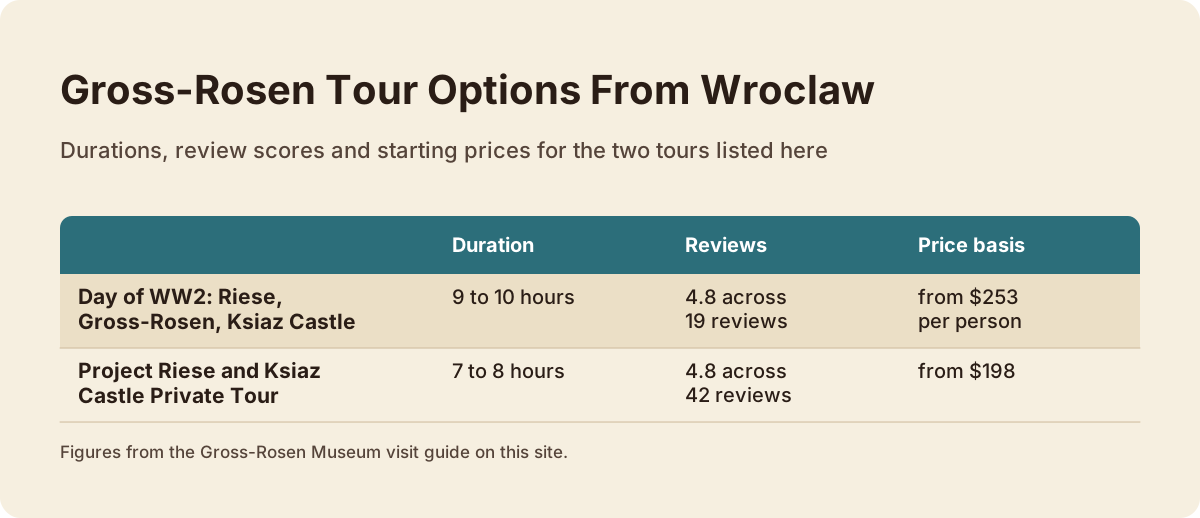
That reality is why the combined tours from Wroclaw dominate. The most complete option is the Day of WW2: Riese, Gross-Rosen, Ksiaz Castle tour, roughly 9 to 10 hours long, rated 4.8 across 19 reviews, from $253 per person, with hotel pickup in Wroclaw, a group capped at 8, and stops at the Gross-Rosen Museum in Rogoznica, Ksiaz Castle, and the Osowka underground town, plus Krzyżowa. A tighter alternative is the Project Riese and Ksiaz Castle Private Tour, about 7 to 8 hours, rated 4.8 across 42 reviews, from $198, private with hotel pickup and castle entry tickets included, covering Osowka and Ksiaz. For a shorter pairing there is the private Wroclaw to Gross Rosen and Ksiaz Castle tour, about 6 to 7 hours, from $179.32, which skips the tunnels and concentrates on the memorial and the castle.
If you are weighing the full-day option against your overall Wroclaw plans, the day trips from Wroclaw guide maps the other main destinations, and the Ksiaz Castle from Wroclaw guide covers the standalone castle runs if you would rather split the history over two days.
What Are The Opening Hours And Entry Rules At Gross-Rosen?
The museum's exhibitions are open daily: 8:00 to 18:00 from 1 May to 30 September, and 8:00 to 16:00 from 1 October to 30 April, with closures only on 1 January, 25 December and Easter Sunday. Individual entry is free. The one rule that catches groups out: parties of 10 or more must buy a guide service, and the museum recommends allowing about two hours on site.
Those hours are long and stable, which makes planning easier than at Ksiaz Castle, where the castle posts a fresh hours block every month and the November 2026 block, for example, runs 10:00 to 16:00 on weekdays with the interiors closed entirely on 1 November. The memorial at Rogoznica has no such monthly churn. A visit at 9:00 in November works the same as a visit at 9:00 in June, only with a 16:00 close instead of 18:00.
The guided-group rule matters for tour groups and informal parties alike. If you arrive with ten people or more, you are required to purchase a guide service from the museum rather than wandering independently. Small tour groups of up to 8, which is the cap on the main Wroclaw day tour, fall under the threshold, and the operators' itineraries account for the pacing anyway. Independent families and small friend groups simply walk in.
| Period | Opening hours | Days open |
|---|---|---|
| 1 May to 30 September | 8:00 to 18:00 | Daily |
| 1 October to 30 April | 8:00 to 16:00 | Daily |
| Closed | 1 January, 25 December, Easter Sunday | None |
Budgeting the day is where the combined tours earn their price. The table below compares the three Wroclaw options that include the memorial or its sister sites, using the figures on their booking pages.
| Tour | Duration | Reviews | Price basis | Includes Gross-Rosen |
|---|---|---|---|---|
| Day of WW2: Riese, Gross-Rosen, Ksiaz Castle | 9 to 10 hours | 4.8 across 19 reviews | from $253 per person | Yes, plus Osowka and Ksiaz |
| Project Riese and Ksiaz Castle Private Tour | 7 to 8 hours | 4.8 across 42 reviews | from $198, basis on booking page | No, Osowka and Ksiaz only |
| Wroclaw to Gross Rosen and Ksiaz Castle Private Tour | 6 to 7 hours | 1 review | from $179.32, basis on booking page | Yes, with Ksiaz Castle |
If the one-day history circuit is the plan, the full Day of WW2 tour is the only option among the options that puts the memorial, the Osowka underground town and Ksiaz Castle into a single itinerary.
For readers deciding between the smaller pairings, the next section breaks down what each stop actually delivers on the ground.
What Will You Actually See At The Memorial Site?
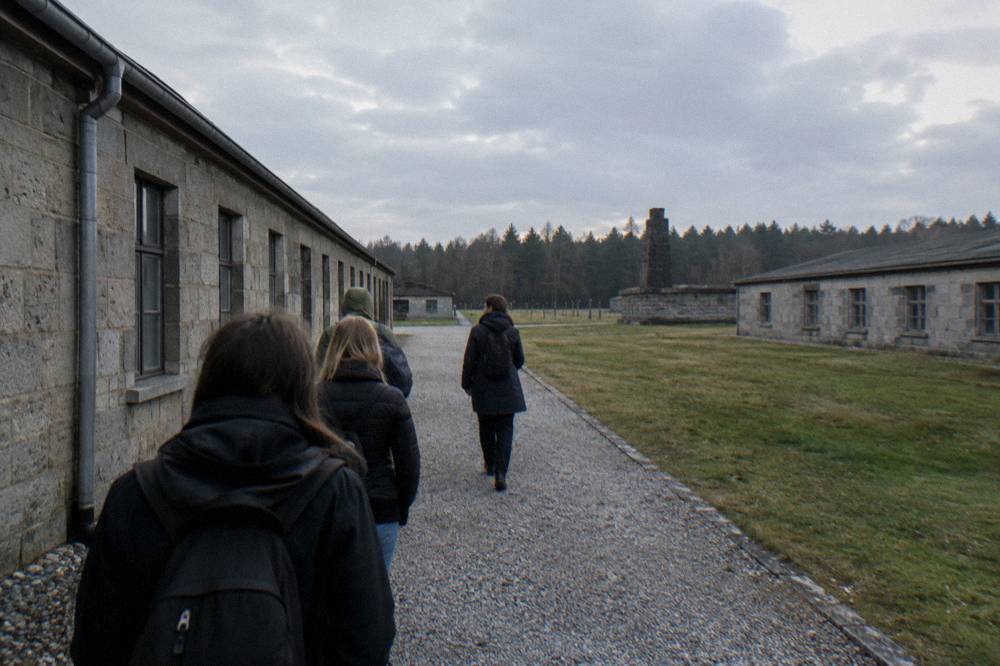
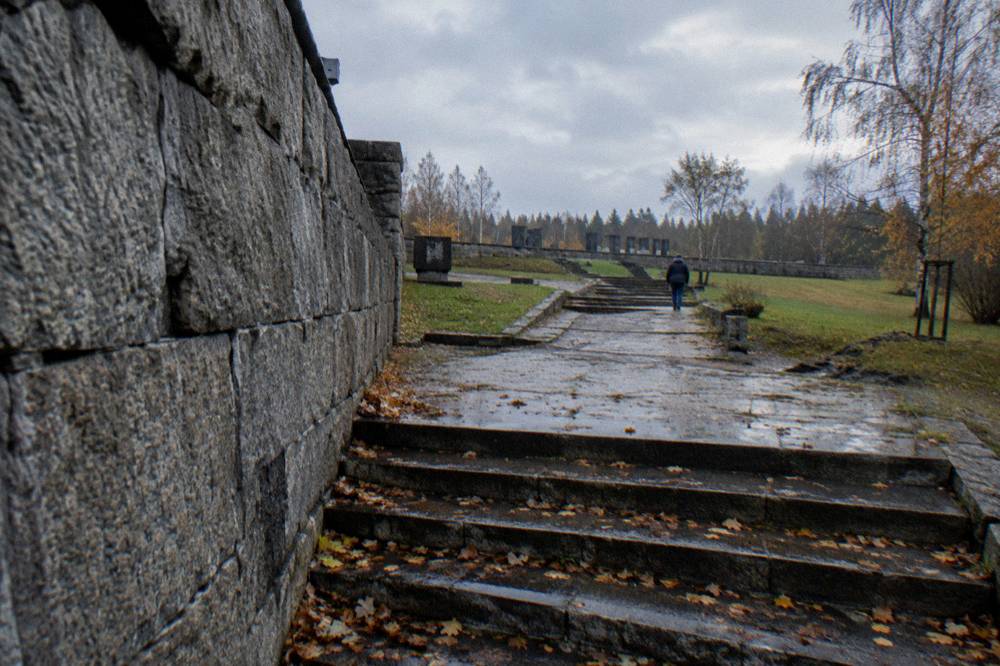
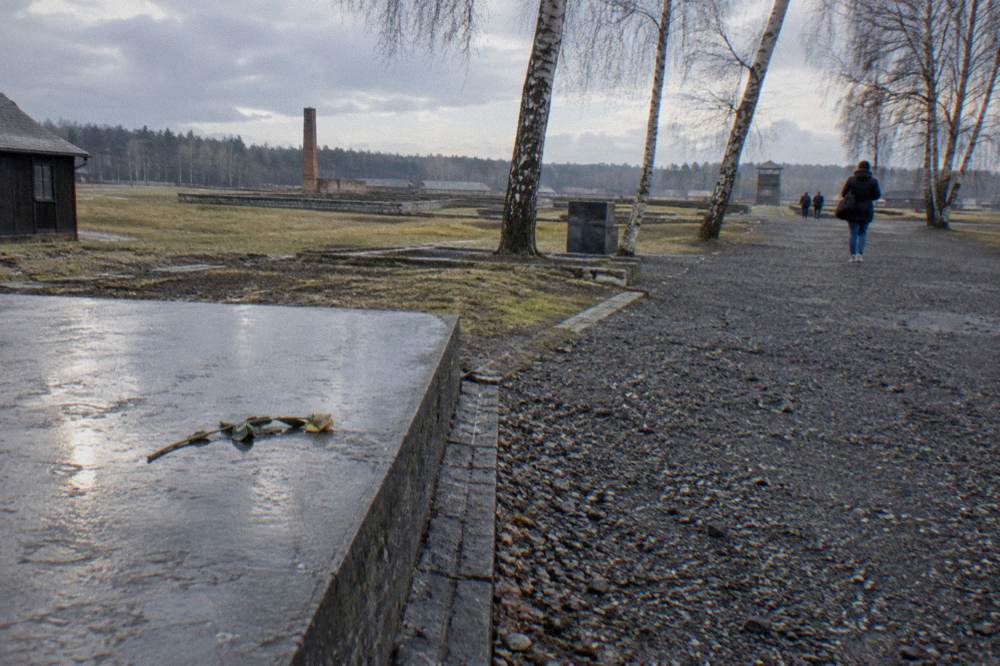
The visit centres on the preserved camp grounds: the roll-call area, barracks remains, watchtower foundations, the crematorium building and the granite quarry where prisoners laboured, supported by indoor exhibitions on the camp system and its subcamps. Expect an outdoor-heavy walk of roughly two hours, with informational panels across the site.
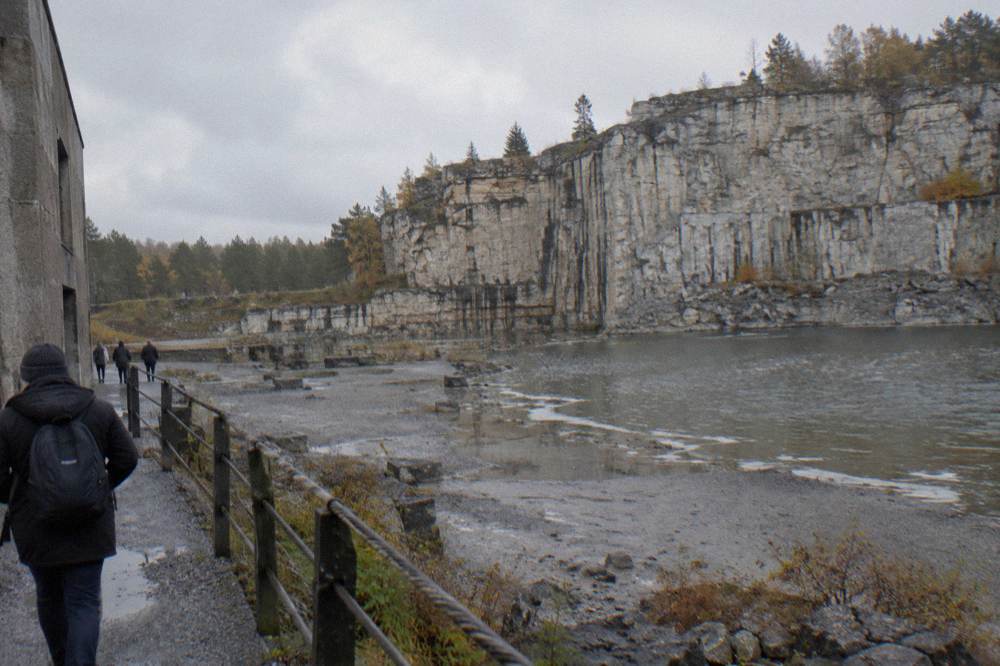
The quarry is the anchor of any visit. It sits below the camp plateau, and its scale explains why the camp was built here at all: the stone was the point, and the extraction of it by hand was the prisoners' daily existence. Standing at the quarry face is the moment most visitors describe as the one that stays with them, more than any exhibition case. More of these guides are collected on Ksiaz Castle Tours.
“Only couple on the tour so became a private one. Punctual pick up, Jacob, our host, went above and beyond to help us have a memorable trip.”
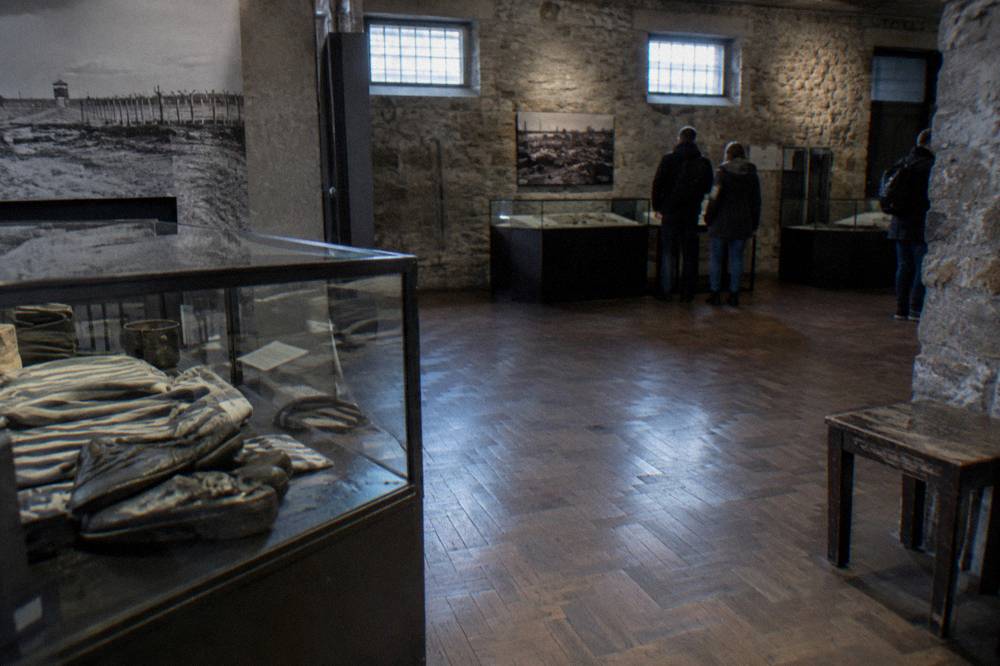
The indoor exhibitions fill in the system around the individual experience. They document the camp's growth from a Sachsenhausen subcamp in 1940, its network of subcamps across Lower Silesia, and the death marches and evacuations of 1945. The subcamp story connects directly to the Owl Mountains, because the Riese labour camps were part of this same administrative web. That is the thread a combined tour with Ksiaz pulls tight: the tunnels under the castle, the memorial at Rogoznica, and the Osowka complex were one project built on one exploited workforce.
Practical pacing: two hours is the museum's own recommended minimum, and the combined tours budget accordingly. The Day of WW2 itinerary, at 9 to 10 hours door to door, fits the memorial, Osowka and Ksiaz Castle by keeping each stop purposeful rather than exhaustive. The shorter private pairing of Gross-Rosen and Ksiaz Castle, about 6 to 7 hours, trades the tunnels for more air in the schedule, which suits visitors who find the underground route's 6 C corridors and concrete passages less appealing. Ksiaz Castle Tours treats these two experiences as halves of one itinerary, and the right split depends mainly on how much time underground you want.
Can You Combine Gross-Rosen With Ksiaz Castle In One Day?
Yes, and it is the standard way to do it: the distance between Rogoznica and Ksiaz Castle is roughly 40 to 50 kilometres on regional roads, so a one-day circuit from Wroclaw is entirely feasible with a 9 to 10 hour tour or a well-paced private car. Every tour on the Wroclaw lineup that includes Gross-Rosen pairs it with Ksiaz Castle in the same itinerary.
The full-day format works because the driving legs stack sensibly. Wroclaw to Gross-Rosen is the longest single stretch; the memorial to Ksiaz leg is shorter; and the return to Wroclaw from Wałbrzych closes the loop. Tours of the 9 to 10 hour class, like the Day of WW2 itinerary, add Osowka between the memorial and the castle, which rounds out the Riese story at the cost of a very full day. On the private version of that idea, the Project Riese and Ksiaz Castle tour runs about 7 to 8 hours with castle entry tickets included, rated 4.8 across 42 reviews.
The tighter pairing drops the tunnels. The private Wroclaw to Gross Rosen and Ksiaz Castle tour, from $179.32 with the price basis on the booking page, runs about 6 to 7 hours and covers the memorial and the castle with hotel pickup in Wroclaw. It is a new-enough listing that only one review sits on its page, so there is no rating worth quoting; judge it on the itinerary and the price, which undercut the fuller tours by trading away the underground stops.
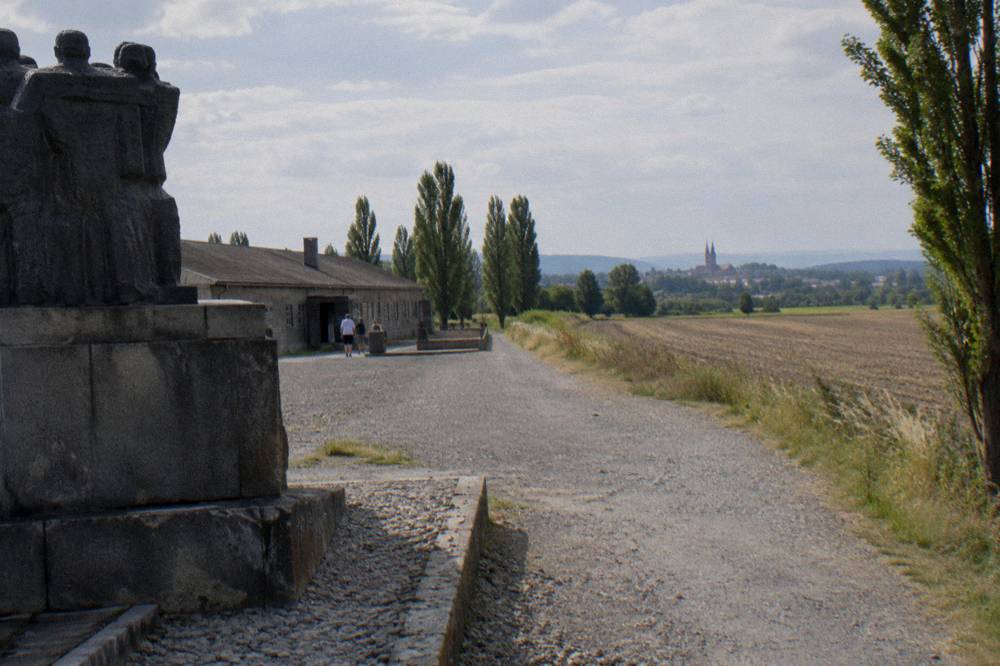
What you give up by skipping the tunnels is substantial. The underground route beneath Ksiaz, about 40 minutes, guided, at roughly 6 C, is the physical evidence of the forced labour the memorial documents, and the official castle underground route page describes the reinforced corridors and the collapsed elevator shaft the path ends at. The trade is real: a 6 hour day versus a 10 hour one. Families with children under 4 should note the underground route does not admit them at all, which sometimes decides the question by itself; the wider Ksiaz Castle with kids guide covers those limits in detail.
What Rules And Practicalities Should You Know Before You Go?
The essentials: individuals enter free, groups of 10 or more must buy a guide service, the site closes only on 1 January, 25 December and Easter Sunday, and you should plan for an outdoor walk of about two hours, so weather-appropriate clothing matters. If you continue to the Ksiaz tunnels the same day, bring a warm layer regardless of the season, because the underground route holds at about 6 C.
Timing your departure from Wroclaw is the main lever. A morning start around 8:00 to 9:00 puts you at the memorial before midday with the full afternoon for Ksiaz, whose own hours shift monthly; the November 2026 block, for instance, closes castle interiors at 16:00 on weekdays and 17:00 on weekends. Booking a tour removes this arithmetic entirely, because the operator holds the schedule. Visitors planning independently will find the month-by-month detail in the Ksiaz Castle opening hours guide.
Food is a practical gap to plan around. The museum site is not a restaurant destination, and the longer tours explicitly list lunch as not included. Either eat in Wroclaw before departure or plan a stop in Strzegom or Wałbrzych. On the 9 to 10 hour itineraries, the lunch break is built into the day somewhere on the road between sites.
What to wear follows from the split between an outdoor memorial and an underground tunnel system in one day. Comfortable walking shoes for the camp grounds, a jacket for the quarry plateau's exposure, and a genuinely warm layer for the tunnels. The what to wear to Ksiaz Castle guide handles the full checklist, but the short version for a combined day is layers, closed shoes and nothing you would regret scuffing on concrete.
| Item | At the memorial | At the Ksiaz tunnels |
|---|---|---|
| Entry cost | Free for individuals; guide service required for groups of 10 or more | Castle combined ticket 92 / 82 PLN with underground and Palm House, or included on tours that state it |
| Age limits | None stated; educational programmes exist | Children under 4 not admitted |
| Conditions | Outdoor walk, about two hours, exposed plateau | Guided route, about 40 minutes, about 6 C |
| Hours | Daily, fixed by season | Posted monthly; November 2026: 10:00 to 16:00 weekdays, 10:00 to 17:00 weekends |
| Food | None on site; tours list lunch as not included | Wałbrzych options nearby; tour lunches not included |
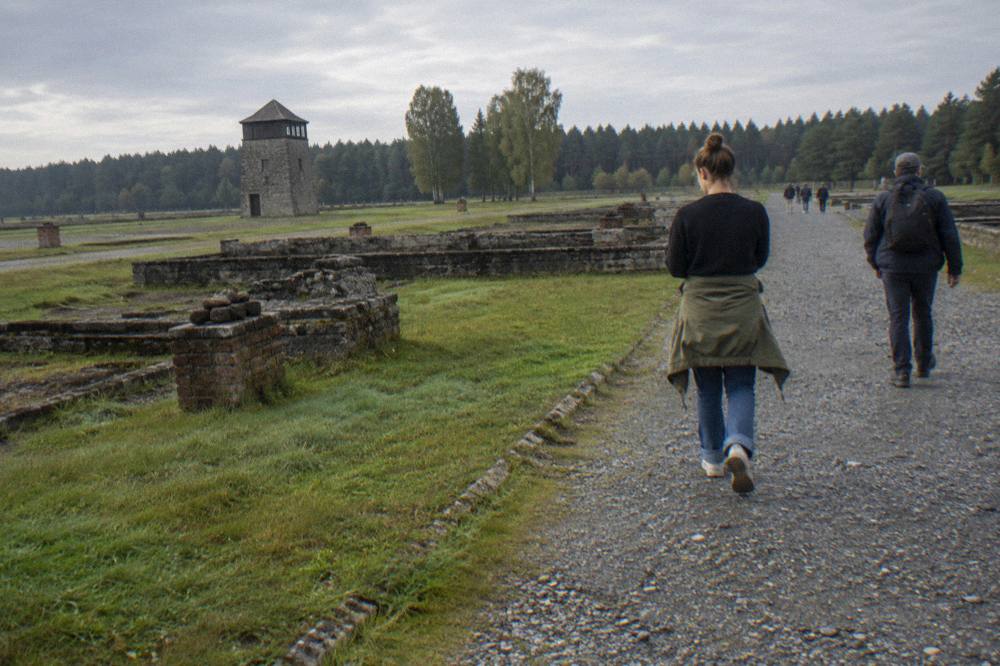
Conduct at the site is straightforward and worth stating plainly. This is a cemetery in effect if not in name. Photography for personal reflection is accepted, but the visit is not the setting for posed content. Children can and do visit, and the museum itself runs educational programmes for schools, so there is no age gate at the memorial; the under-4 restriction belongs to the Ksiaz tunnels, not here. Keep the tone factual with younger visitors and let the exhibitions do the explaining.
Is A Guided Tour Better Than Visiting Independently?
For most international visitors, yes: the combined tours solve the transport gap, which is the single biggest obstacle, since no direct public connection serves a same-day Gross-Rosen plus Ksiaz itinerary from Wroclaw. The guide service also adds context the panels compress, and tour groups of 8 stay under the museum's 10-plus guided-group threshold. Independent visits suit drivers with their own car and their own reading.
The economics depend on party size. A solo driver pays for a hire car, fuel and a full day of parking logistics, against a seat on the Day of WW2 tour at from $253 per person with hotel pickup and the group capped at 8. A party of four in one hire car spreads the driving cost across the group and gains schedule freedom, which matters if you want to linger at the quarry exhibition or add a stop the fixed itineraries skip. Neither answer is wrong; the tours simply remove the failure modes, and the 4.8 rating across 19 reviews on the flagship day tour suggests the format works for the people who take it.
For visitors whose interest is specifically the WWII history rather than the castle itself, the private Project Riese and Ksiaz Castle tour swaps the memorial for the Osowka underground town and keeps the tunnels, from $198 with castle entry tickets included. The memorial-first visitor should stick to the two itineraries that name Gross-Rosen in their stops. Either way, read the cancellation terms on the booking page before committing: these Wroclaw tours advertise free cancellation per their listings, which softens the risk of a weather-dependent day.
One honest caveat: a ten-hour day at this pace is tiring, and the emotional weight of the memorial lands differently at hour three than at hour nine. If you know your group's stamina, the 6 to 7 hour private pairing is the deliberate choice, and the fuller circuit is for the committed. Choose by appetite, not by price difference alone.
Common Questions About The Gross-Rosen Museum
Is The Gross-Rosen Museum Free To Visit?
Yes, entry for individual visitors is free. The one mandatory cost is for groups: parties of 10 or more must purchase a guide service from the museum. Small tour groups capped at 8 fall under that threshold.
What Are The Gross-Rosen Museum Opening Hours?
The exhibitions are open daily from 1 May to 30 September, 8:00 to 18:00, and from 1 October to 30 April, 8:00 to 16:00. The museum closes on 1 January, 25 December and Easter Sunday.
How Far Is Gross-Rosen From Wroclaw?
The memorial at Rogoznica lies roughly 70 kilometres west of Wroclaw, about 90 minutes by road. Rogoznica is 7 kilometres from Strzegom on road 374 and has a railway station, but the last leg makes rail travel impractical for a day trip.
Can You Visit Gross-Rosen And Ksiaz Castle On The Same Day?
Yes. The sites are roughly 40 to 50 kilometres apart on regional roads, and several Wroclaw tours pair them. The fullest version runs 9 to 10 hours and adds the Osowka underground town; shorter private pairings run 6 to 7 hours.
How Long Should You Spend At The Gross-Rosen Museum?
Plan for about two hours. The visit covers outdoor grounds including the quarry as well as indoor exhibitions, so comfortable shoes and weather-appropriate clothing matter.
What Was The Connection Between Gross-Rosen And Ksiaz Castle?
From 1943, prisoners from Gross-Rosen subcamps were used as forced labour on Project Riese, the Nazi construction programme that dug tunnels under Ksiaz Castle and in the Owl Mountains, including the Osowka complex. The memorial and the castle tunnels tell the two halves of that history.