Is Wroclaw Worth Visiting?
An honest look at Wroclaw as a city break, what to see in the city itself, and why the best day trip out of it runs to Ksiaz Castle and the Church of Peace.
Yes, Wroclaw is worth visiting, and not only for its own sake. The city gives a visitor a compact historic core, one of Central Europe's great market squares, and a base from which every Ksiaz Castle tour on this site departs. Two or three days in the city plus one day trip into Lower Silesia is the shape most travellers end up happy with.
Wroclaw sits in the southwest corner of Poland, roughly 70 km northeast of Walbrzych, the town that owns Ksiaz Castle. That geography matters. Plenty of visitors arrive with the castle already on their list and then discover that Wroclaw itself justifies the flight: a university city with an island cathedral quarter, a market square ringed by painted townhouses, several hundred small bronze figures hidden in its streets, and a food and bar scene that punches above the city's size.
The honest framing is this. Wroclaw alone is a solid short city break, good but not unique in a region that also offers Krakow, Prague and Berlin within a long day's travel. Wroclaw plus Lower Silesia, with Ksiaz Castle, the UNESCO Churches of Peace and the wartime underground complexes folded in, is a genuinely distinctive trip that those better-known cities cannot replicate. This article looks at both halves, the city itself and the day trips that radiate from it, so a reader can decide how many days to give the place.
Wroclaw earns its place on an itinerary for three reasons: a walkable Old Town built around a large medieval market square, the cathedral island of Ostrow Tumski, and its role as the practical gateway to Lower Silesia's castles and UNESCO churches. Travellers who skip the region usually do so because they underestimate the day trips, not the city.
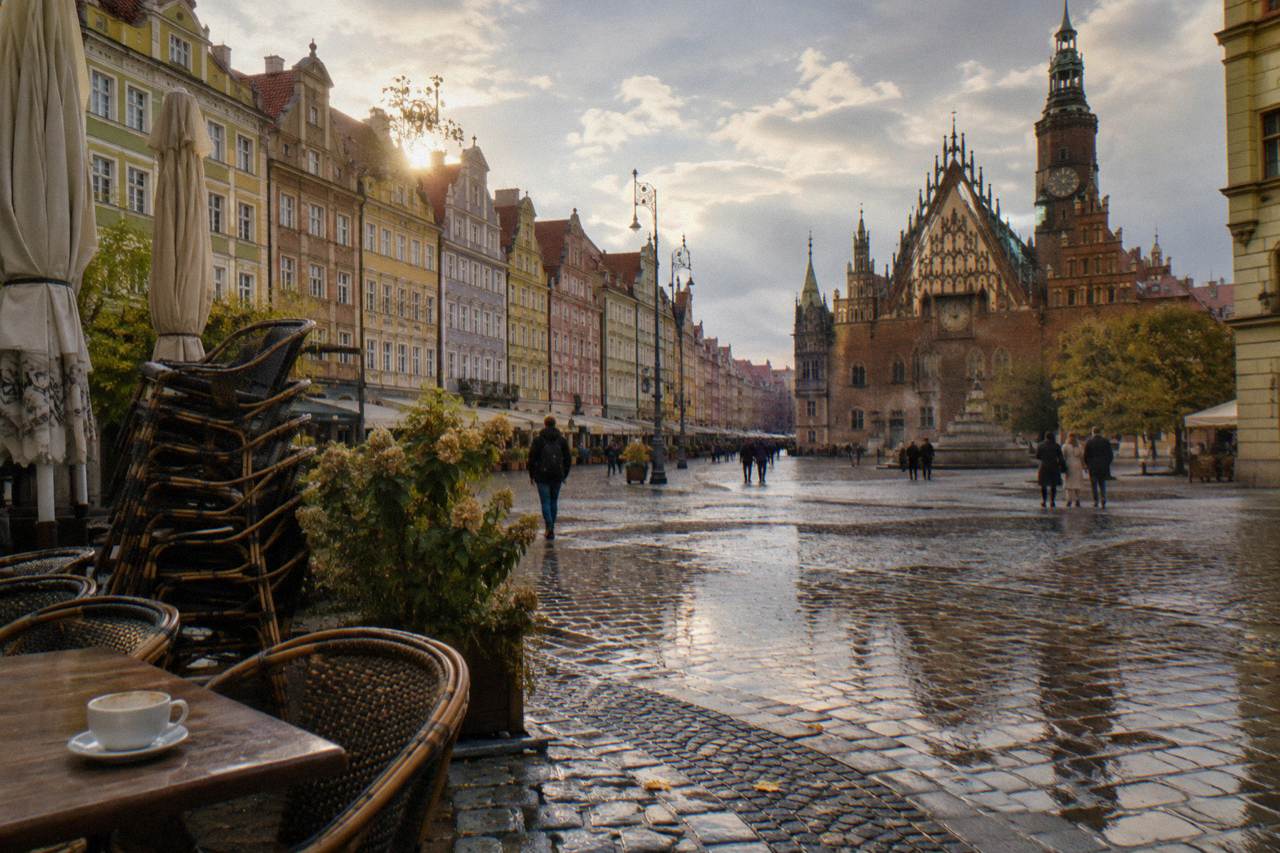
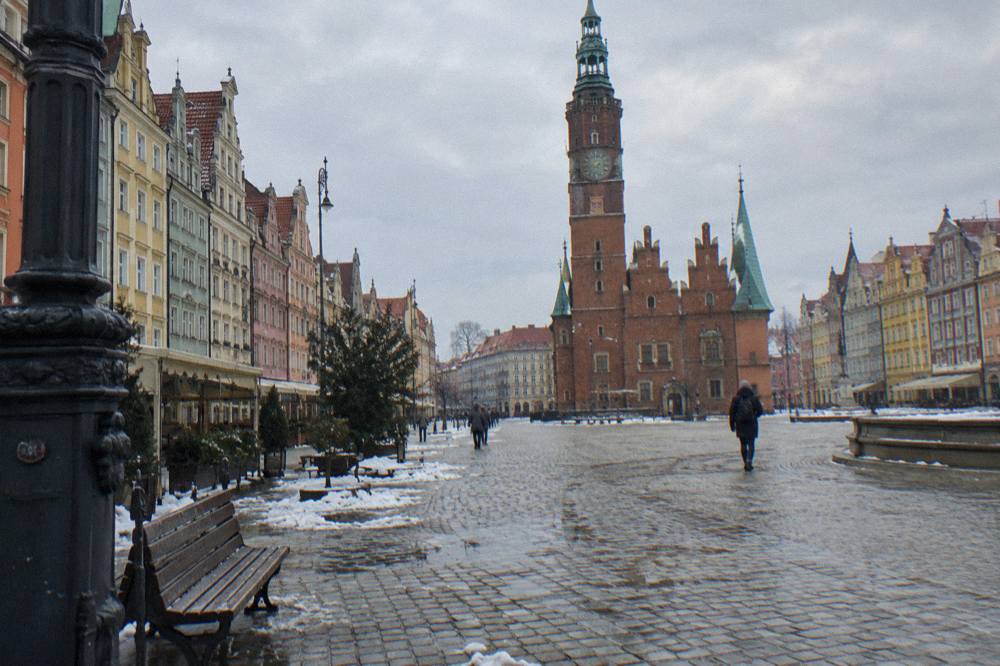
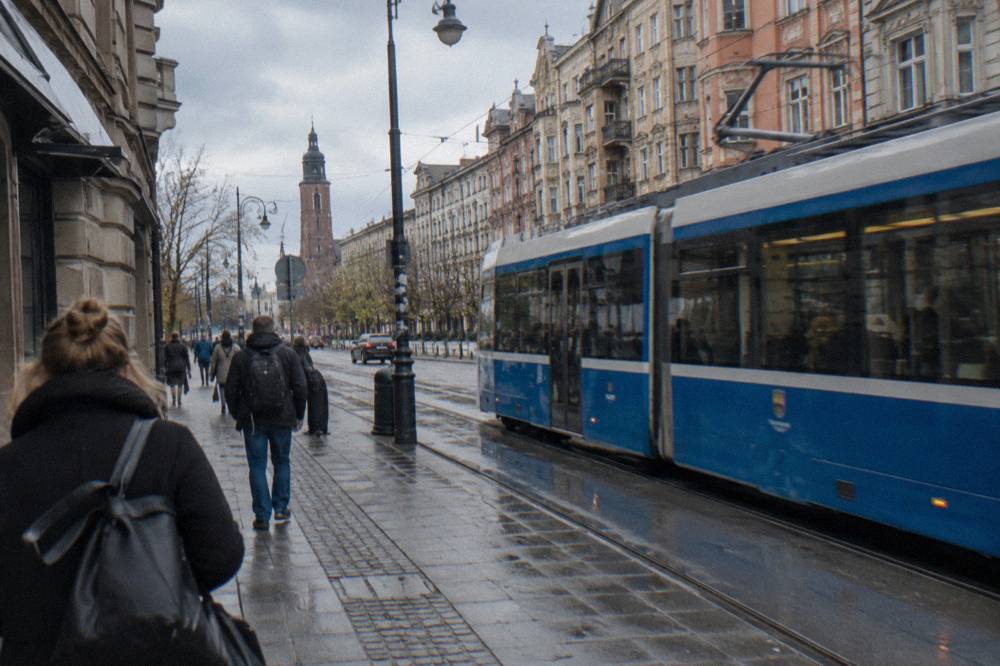
Start with the market square, the Rynek. It is one of the largest medieval squares in Europe and it carries most of the city's first impression: the Gothic town hall at its centre, gabled merchant houses on every side, flower stalls, and enough cafes and bars that finding a seat is rarely a problem outside peak weekends. From the square, most of the old city unwinds on foot within twenty minutes in any direction.
“It was a very pleasant ride out to the castle. We had a wonderful time there our driver give us extra time to do the underground. He was very respectful safe driver would highly recommend.”
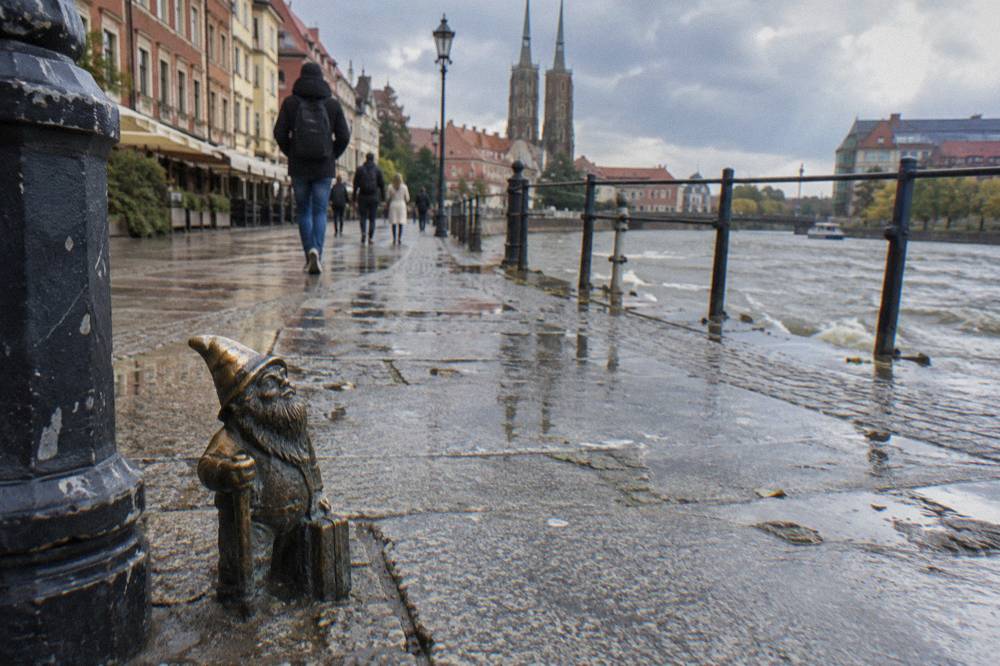
Ostrow Tumski, the cathedral island a short walk north, is the quieter counterweight. Gas lamps still light some of its streets at dusk, the cathedral towers over cobbled lanes, and the whole quarter slows the pace of a visit down in a way the busy square does not. Between the two, crossing the sandbars and bridges of the Odra river, visitors collect the small bronze dwarf figures the city has scattered in its streets over the decades; hunting them is a running joke that has quietly become the city's signature activity, and children in particular take it seriously.
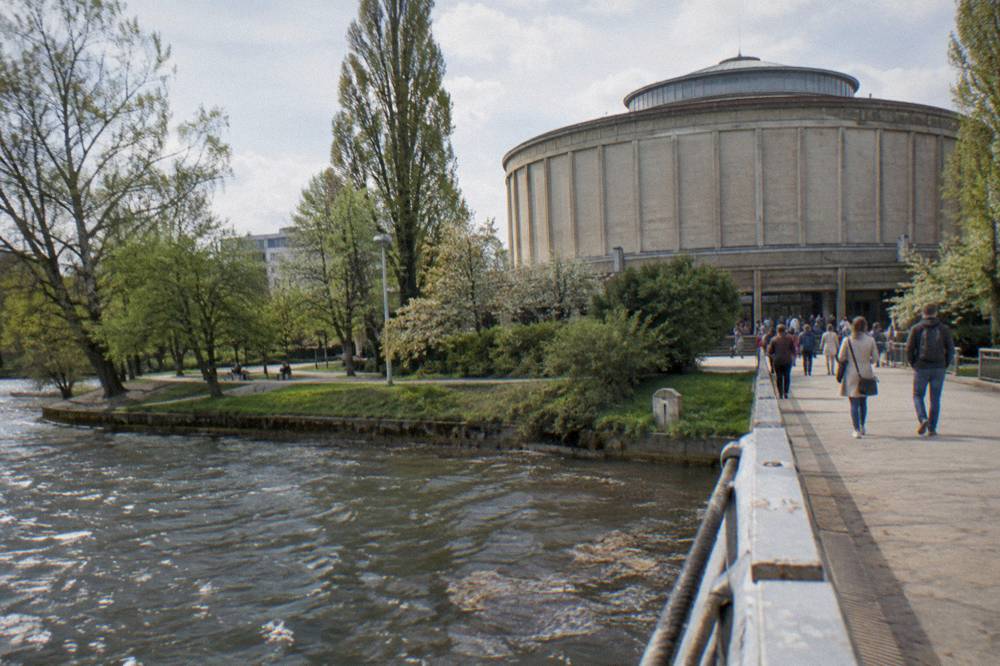
The city's size works in its favour. Wroclaw is Poland's fourth-largest city, but the historic core is compact enough that a first-time visitor covers the essentials in two full days without rushing. A third day opens either deeper city options, museums, the Centennial Hall complex on the eastern side, the zoo and its aquarium building, or, the choice most readers of this site will make, a day trip west into Lower Silesia.
What Makes Wroclaw A Good Base For Day Trips?
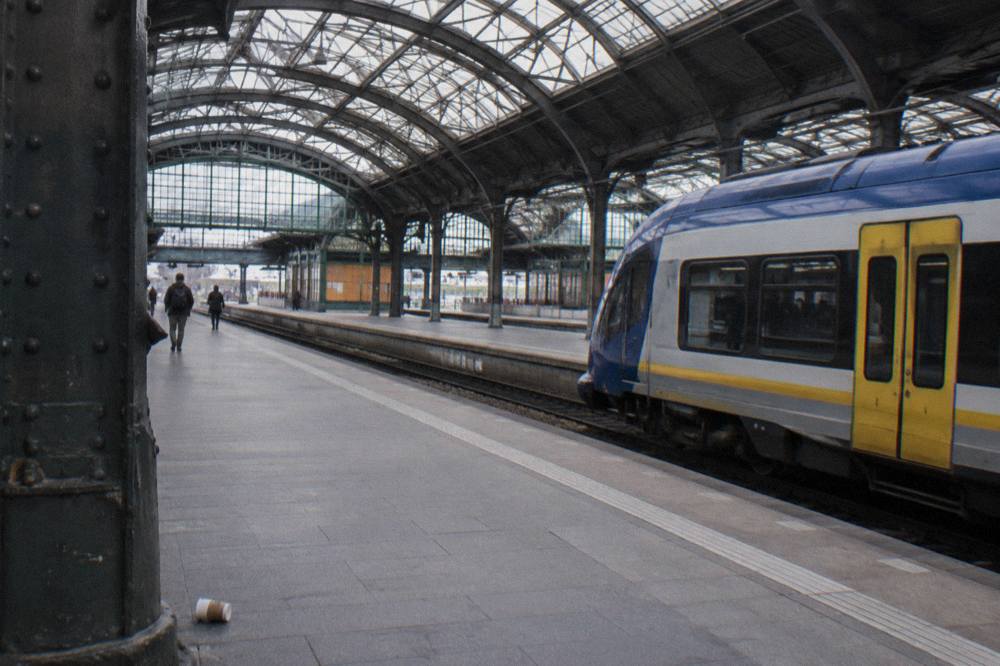
Wroclaw works as a base because every tour to Ksiaz Castle on the market departs from it, and the city sits close enough to Walbrzych, Swidnica and the Owl Mountains that return trips fit comfortably inside a single day. Regional trains also connect Wroclaw directly with Walbrzych stations, giving independent travellers a fallback that costs little.
The arithmetic is simple. Ksiaz Castle lies about 70 km southwest of Wroclaw, close to the town of Walbrzych, which the castle's municipal operator calls home. The Koleje Dolnoslaskie regional rail network lists direct services between Wroclaw Glowny and Walbrzych's stations, so a visitor without a car can reach the castle area independently, then fall back on a guided tour for the parts that are harder to string together, above all the Church of Peace in Swidnica and the wartime tunnels.
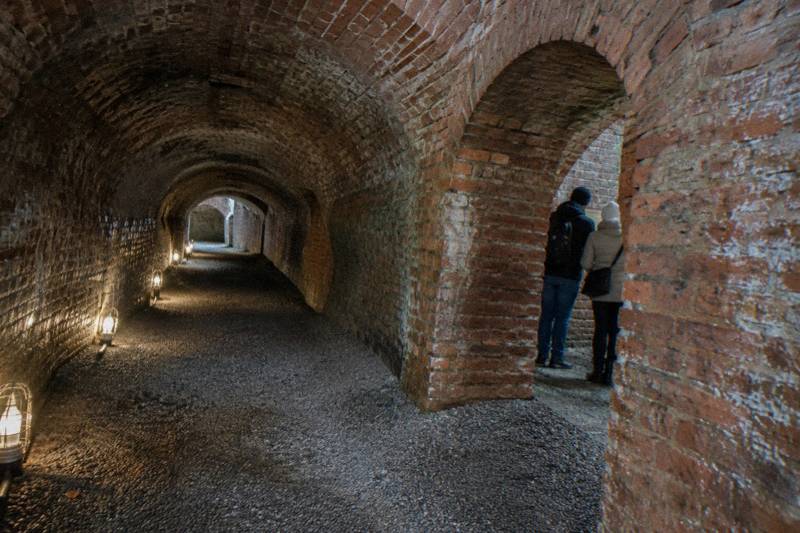
That last point is where the tours earn their price. The castle alone is reachable by train and local bus with patience. The castle plus the UNESCO Church of Peace in Swidnica, an hour's drive further on, plus a timed underground tour, is a logistics puzzle that most visitors happily hand to an operator. Koleje Dolnoslaskie's network covers the main towns, but the sites sit outside them, and the day-trip operators solve the last kilometres and the timed entries at once.
There is a decision moment here for anyone planning the trip.
Want To Book The Ksiaz Day Trip Before Anything Else?
Free cancellation applies to the options discussed here, so a reader can lock in a day trip early and adjust later if plans shift.
The flagship combination is the From Wroclaw: Ksiaz Castle, Tunnels & Church of Peace Tour, about 8 hours, rated 4.8 across 117 reviews, from $145 per person, with castle entry tickets included and a group capped at 8. It meets at Cinema Nowe Horyzonty on Kazimierza Wielkiego in central Wroclaw, which keeps the meeting simple for anyone staying in the old city. A shorter alternative, the Wroclaw: Lower Silesia, Ksiaz Castle & Church of Peace Tour, runs about 6 hours from $218 per person with hotel pickup in Wroclaw, rated 4.4 across 46 reviews; its listing does not state that entry tickets are included, so budget for those separately when comparing. Readers weighing the two should also read the dedicated comparison in the Ksiaz Castle and Church of Peace day trip guide.
How Many Days Do You Need In Wroclaw?
Two full days in the city plus one day trip is the sweet spot for most travellers. Two days cover the market square, Ostrow Tumski, the riverside and one or two museums at a human pace; the third day converts the stay into something bigger by adding Ksiaz Castle, the Church of Peace or the Project Riese tunnels. Four days suits slower travellers.
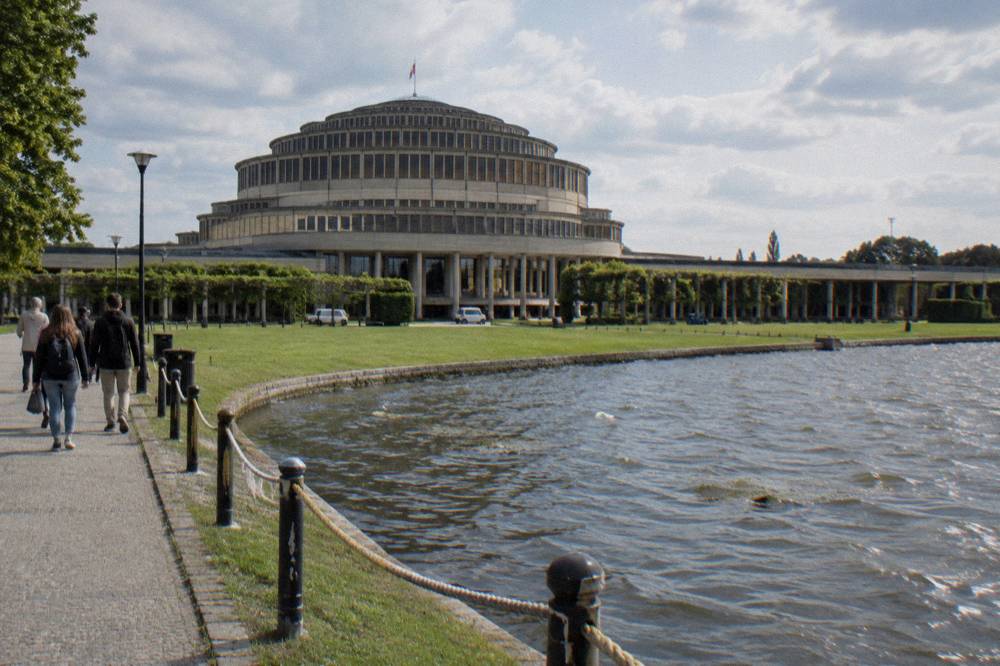
The two-day city core needs little planning. Day one: the Rynek, the town hall, the streets immediately north and south of it, and the dwarf hunt, ending on Ostrow Tumski as the lamps come on. Day two: the Odra islands and bridges, a museum or the zoo with its aquarium building, and the Centennial Hall side of the city that most day-trippers never reach. Neither day demands a car, a tour or advance booking, which is precisely why the city half of the trip is cheap and relaxed.
The day trip changes the character of the stay. A visitor who adds the castle-and-church combination leaves Poland with a story that has three acts: a beautiful city, the largest castle in Silesia, and a UNESCO-listed timber church that looks like nothing else in Europe. The Churches of Peace in Jawor and Swidnica were inscribed on the UNESCO World Heritage list in 2001, and the two churches are the only survivors of three built as Lutheran churches after the Peace of Westphalia. A traveller curious mainly about the logistics can compare the options in the article on how many days in Wroclaw is enough.
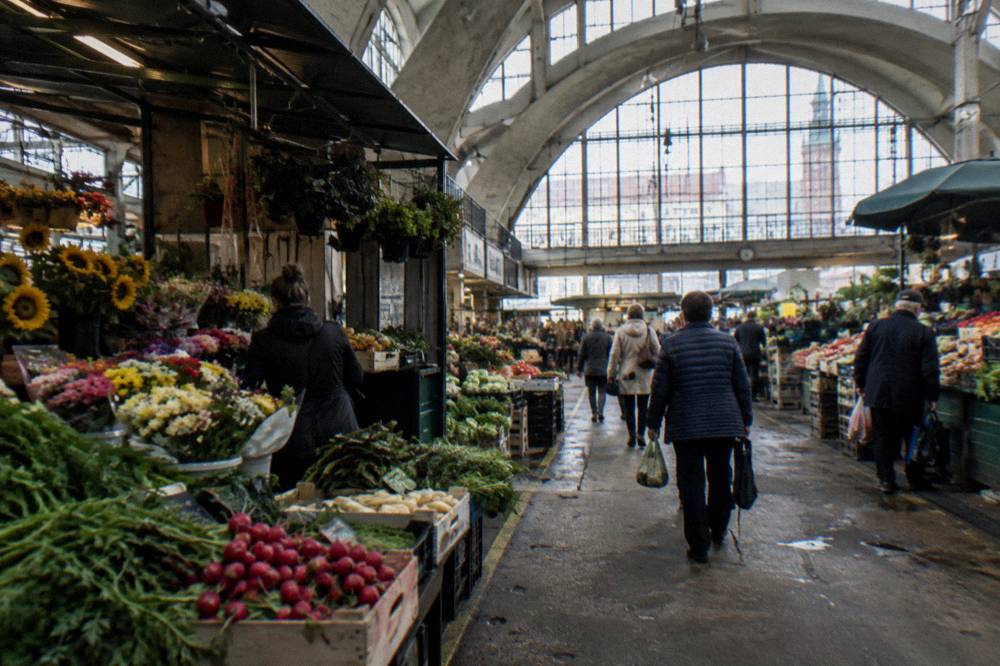
Families should note one practical split. The city half of a Wroclaw trip is effortless with children: squares, ice cream, dwarf statues, a zoo. The Lower Silesia half needs more care, because the castle's underground route does not admit children under 4 and holds at about 6 C year round. The Ksiaz Castle with kids guide covers that ground in detail.
What Are The Best Day Trips From Wroclaw?
The strongest day trips from Wroclaw are Ksiaz Castle paired with the Church of Peace in Swidnica, the Project Riese underground complexes at Osowka, and the Gross-Rosen Memorial at Rogoznica. All three are reachable on organised tours departing from Wroclaw, and several listings combine two of them in a single day.
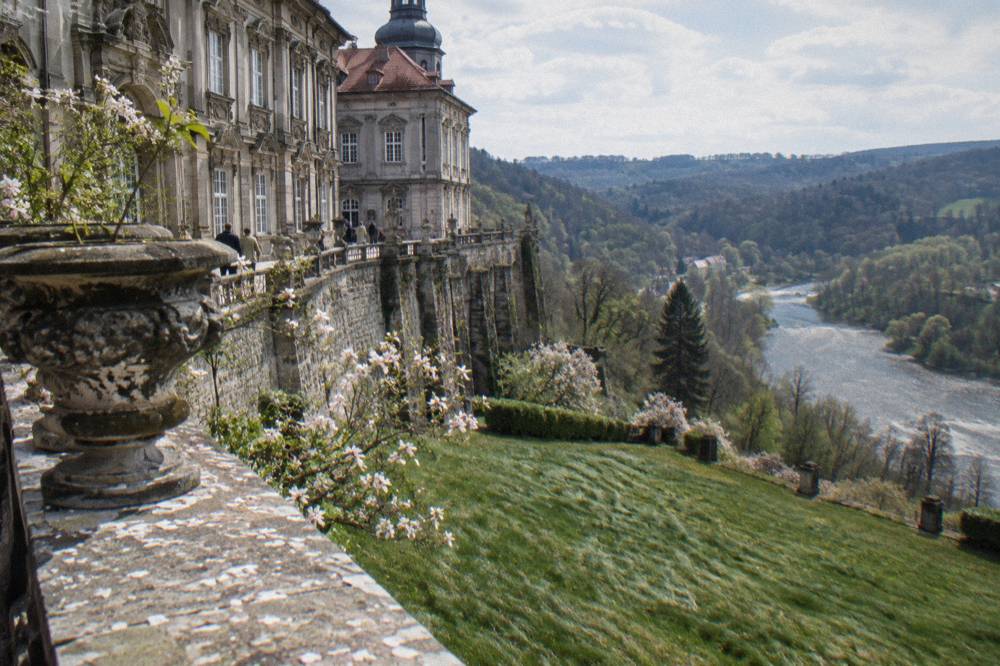
The default choice, and the one most visitors make, is the castle-and-church combination. Ksiaz Castle is the largest castle in Silesia and the third largest in Poland after Malbork and Wawel, with roughly 400 rooms, and its documented history begins with a castle raised by Bolko I between 1288 and 1292. Underneath it runs a tunnel complex carved under the Nazi Project Riese programme between 1943 and 1945, and beside it stand the terraced gardens associated with Princess Daisy von Pless. The Church of Peace in Swidnica completes the day.
History-minded travellers often choose differently. The Project Riese sites in the Owl Mountains, above all Osowka, and the former Gross-Rosen concentration camp at Rogoznica form a sombre itinerary about forced labour and its victims. The Wroclaw: Day of WW2 tour stitches all three threads, Riese, Gross-Rosen and Ksiaz Castle, into one long day of roughly 9 to 10 hours, rated 4.8 across 19 reviews and from $253 per person. The Osowka site itself is open year round, and its own visitor site lists the historic route at 40 zl normal and 33 zl reduced. Visitors should approach these sites with the seriousness they deserve; they are memorials as much as attractions.
The comparison table below puts the main castle-and-church options side by side, using the figures on each operator's booking page.
| Tour | Duration | Rating | Price | Key inclusions |
|---|---|---|---|---|
| From Wroclaw: Ksiaz Castle, Tunnels & Church of Peace Tour | about 8 hours | 4.8 across 117 reviews | from $145 per person | castle entry tickets, group max 8, fixed meeting point |
| Wroclaw: Lower Silesia, Ksiaz Castle & Church of Peace Tour | about 6 hours | 4.4 across 46 reviews | from $218 per person | hotel pickup, group max 15 |
| From Wroclaw: Ksiaz Castle & Swidnica Church of Peace Tour | 5 to 7 hours | 4.7 across 43 reviews | from $175 | private tour, hotel pickup, castle entry tickets |
Is Ksiaz Castle The Best Day Trip From Wroclaw?
For most visitors, yes. Ksiaz Castle combines a grand residence, wartime tunnels and landscaped terraces in one site, and it pairs naturally with the Church of Peace in Swidnica, which no other day trip from Wroclaw can match. The alternatives, Osowka or Gross-Rosen, suit visitors with a specific interest in wartime history rather than a general first trip. If you want a closer look at the church itself, our piece on whether the Swidnica Church of Peace merits the detour covers its history and interior in detail.
The castle's appeal is that it layers eras. The Hochberg family held it from 1509 and built it into one of the great houses of Silesia; Daisy, the British-born Princess of Pless, left her mark on the terraces during her years as the castle's last great mistress; and Project Riese carved tunnels beneath it in the final years of the war using forced labour, much of it from Gross-Rosen's subcamps. A visitor gets a palace tour, a garden walk and a sobering underground passage in a single stop, a mix no other site near Wroclaw offers. The site is run by a municipal company owned by the City of Walbrzych, and its official sightseeing page publishes the current hours and the ticket ladder in zloty.
Entry tickets bought independently follow the official 2026 price ladder. The castle with audio guide plus Palm House is 72 zl normal, 62 zl reduced; adding the guided underground route raises it to 92 zl and 82 zl; and the All Day Ticket covering the castle, terraces, underground, Palm House, stud farm and mausoleum is 104 zl and 94 zl. Daytime guided tours for individuals run in Polish only, at 11:00 and 14:00; English-speaking visitors use the audio guide, which the castle provides. The underground route runs about 40 minutes, stays near 6 C, and does not admit children under 4.
The tour-based route through all of this remains the From Wroclaw: Ksiaz Castle, Tunnels & Church of Peace Tour, which builds the castle interiors, the tunnels and the Palm House into its about-8-hour day and adds Swidnica before returning. Its 4.8 rating across 117 reviews is the deepest review pool of any tour on this site, which makes it the least speculative choice for a first visit. Anyone deciding between it and going alone will find the trade-offs laid out in the guided tour versus independent visit guide.
Travellers who would rather cover the same ground without a group can take the From Wroclaw: Ksiaz Castle & Swidnica Church of Peace Tour, a private option at 5 to 7 hours from $175, rated 4.7 across 43 reviews, with hotel pickup and castle entry tickets included. It trades the small-group price for door-to-door comfort. Booking pages for both show live availability, and every tour on this page carries free cancellation per its listing.
How Much Does A Wroclaw Trip With Ksiaz Castle Cost?
A three-day Wroclaw trip with one castle day trip costs roughly $300 to $500 per person beyond flights and lodging: about $145 to $253 for the day tour, 92 zl each for a castle-plus-tunnels ticket if visiting independently, and modest city costs since the old town is free to walk. Private tours push the day-trip price up to $464.74 for the fully guided version with transfers.
The city half is inexpensive. The market square, Ostrow Tumski, the islands and the dwarf hunt cost nothing. Museums and the zoo add local-currency tickets that rarely trouble a budget. Food and drink in Wroclaw run cheaper than in Western Europe, and the historic centre is compact enough that taxis are a rarity rather than a line item.
The day trip is where the money concentrates, and the spread is wide. The group option from $145 per person sits at the floor, private car-and-castle options range up past $231, and the fully guided private version with transfers, from $464.74, sits at the ceiling. What the price buys differs: some listings include castle entry tickets, worth 92 zl per adult on the official ladder, and some do not. The Wroclaw Ksiaz Castle with Underground Peace Church Private Tour, from $206.61, explicitly excludes entrance tickets, which visitors pay on site; its listing is new and carries no reviews yet, so the only honest description of its standing is that it is untested by travellers so far. The full decision framework, including what each inclusion is worth, is in the Ksiaz Castle tour cost guide. Price is only half the decision, though, and the honest verdict on whether Ksiaz Castle justifies the trip covers the rest, from what entry actually buys to whether the tunnels merit the extra fee.
A budget rough guide, per person, excluding flights and hotels:
| Item | Low | High |
|---|---|---|
| Day tour to Ksiaz Castle and Church of Peace | from $145 (group, tickets included) | from $464.74 (private guide and transfers) |
| Castle tickets if independent | 72 zl (castle and Palm House) | 104 zl (All Day Ticket) |
| Underground route alone if independent | 45 zl | 39 zl reduced |
| Wroclaw old town, islands, dwarf hunt | free | free |
When Is The Best Time To Visit Wroclaw And The Castle?
Late April to September is the reliable window: Wroclaw's terraces and riverside are at their best, and the castle's terraces and mausoleum are open, the terraces roughly from mid-April to the end of September. November to February trades shorter castle hours for the Gardens of Light illuminations, which run from 1 November 2026 to 28 February 2027.
Summer brings the fullest schedules and the biggest crowds; May, June and September deliver the same daylight with more room to move. The castle's opening hours are published month by month rather than as a fixed seasonal table, and November 2026 shows the pattern: castle interiors 10:00 to 16:00 on weekdays and 10:00 to 17:00 at weekends, with the Palm House daily 10:00 to 16:30. On 1 November the interiors close entirely and the evenings belong to the light show. Anyone planning a winter visit should check the official page close to the date, because the December-to-March hours are posted as separate announcements.
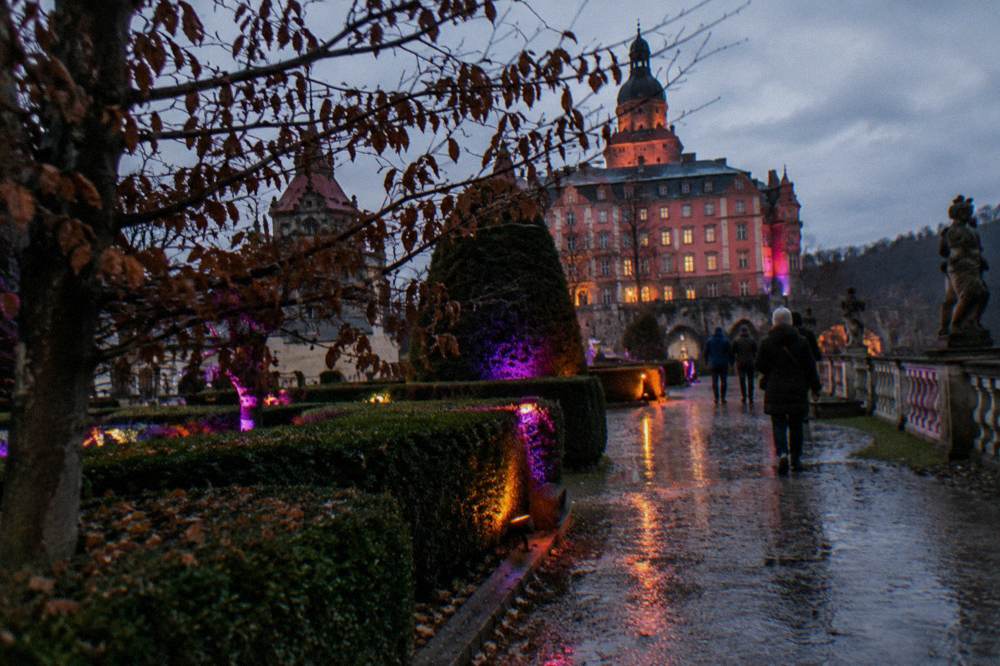
The Gardens of Light deserve a mention beyond a footnote, because they change the shape of a winter day trip. From 1 November 2026 to 28 February 2027 the castle gardens and Palm House grounds hold illuminated evening installations, typically 17:00 to 20:00 Sunday to Thursday and 17:00 to 21:00 on Friday and Saturday, with tickets at 45 zl and 39 zl for the terraces, 35 zl and 30 zl for the Palm House, or 65 zl and 55 zl for both. A winter visitor gets a different castle than a summer one: no terraces, but an evening spectacle that the summer crowd never sees. Timing questions are covered in full in the best time to visit guide.
Beyond the castle, spring holds the castle's largest annual event, the TAURON Flower and Art Festival, which in 2026 ran across the first days of May with more than a hundred florists filling the interiors. The 2027 dates have not been published, so anyone aiming for it should watch the castle's site rather than plan around an assumed date. For travellers whose appetite for the region extends past castles, the Wroclaw to Rock City in Adrspach and Ksiaz Castle day trip crosses into Czech sandstone country in about 9 hours, from $200, rated a perfect 5.0 across 26 reviews, the strongest rating on this site's options.
That tour suits a second day trip or a replacement for travellers who have seen enough interiors and want landscape instead. It is private, includes castle entry tickets, and picks up at Wroclaw hotels. Between it, the castle-and-church combination and the wartime itinerary, a visitor can fill two day-trip days without repeating ground, and still leave the Owl Mountains and the gold mine at Zloty Stok for a return trip.
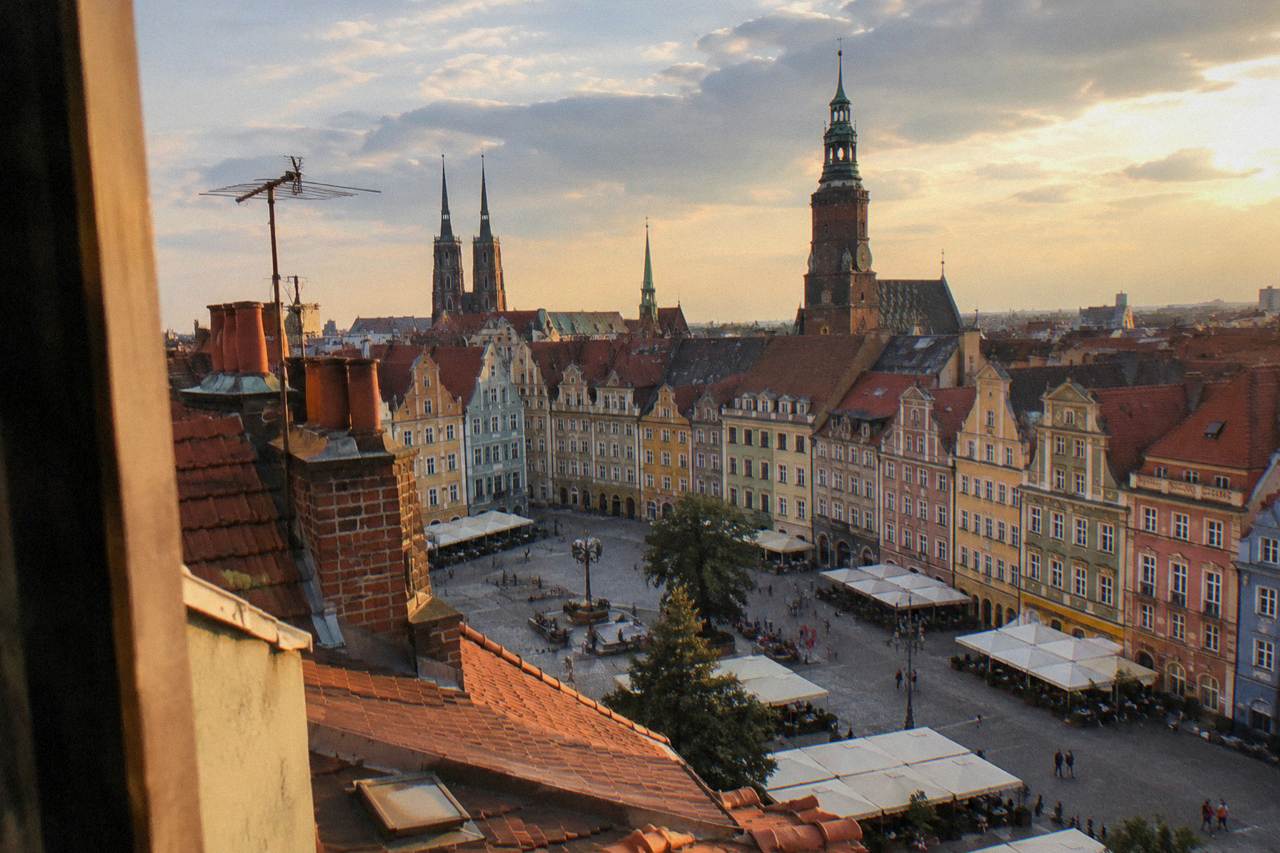
The Honest Verdict On Wroclaw
Wroclaw is worth visiting as a city and earns a firm recommendation as a base. On its own it is a pleasant two-day break with a great square and a memorable cathedral island. Combined with a Ksiaz Castle day trip it becomes the entry point to the most varied short itinerary in this part of Poland: palace, gardens, wartime tunnels and a UNESCO church inside one long day out. To see how Ksiaz stacks up against Malbork and Wawel, our comparison of Poland's castle contenders weighs the strengths of each before settling on a favorite.
The readers this site serves usually arrive at the question backwards. They hear about the castle first, then ask whether the city attached to it justifies the journey. The answer is that the city does enough on its own, the Rynek at dusk, the gas lamps of Ostrow Tumski, the riverside islands, and then quietly does more, because every practical route to the castle starts there. Wałbrzych, the castle's home town, had a population of 108,222 at the end of 2021 per the reference data on Walbrzych, and lies about 70 km from Wroclaw; tours, trains and roads all run between the two, and none of the options on this site departs from anywhere else. More background on the town itself sits in the article on the history of Walbrzych.
A closing thought for the undecided. The failure mode of a Wroclaw trip is not disappointment with the city; it is treating the city as the whole trip and never leaving it. Lower Silesia's headline sights, the castle, the tunnels, the timber church, sit an hour or less west, and the day tours that bundle them leave from central Wroclaw every day. Book the city break for the square and the bridges, but book the day out too. Ksiaz Castle Tours exists to make that second booking easy, and the strongest first choice is the one most travellers before have already made.
Common Questions About Wroclaw
Is Wroclaw Worth Visiting?
Yes. The city offers one of Europe's great medieval market squares, the atmospheric cathedral island of Ostrow Tumski and a compact, walkable core that two days cover well, and it serves as the departure point for every Ksiaz Castle tour on the market.
How Many Days Do You Need In Wroclaw?
Two full days for the city itself, plus one more for a day trip to Ksiaz Castle and the Church of Peace in Swidnica. Three days total is the combination most travellers end up recommending.
Can You Visit Ksiaz Castle From Wroclaw Without A Tour?
Yes. Direct regional trains connect Wroclaw with Walbrzych's stations, and local transport covers the last stretch to the castle. A tour adds the Church of Peace in Swidnica, timed underground entries and door-to-door logistics that independent travel does not easily replicate.
What Is The Best Day Trip From Wroclaw?
For a first visit, the Ksiaz Castle and Church of Peace combination, offered from $145 per person on an about-8-hour group tour rated 4.8 across 117 reviews. History-focused travellers often prefer the Project Riese and Gross-Rosen itinerary instead.
Is Wroclaw Expensive?
By Western European standards, no. The old town, islands and dwarf hunt are free, food and drink cost less than in most comparable cities, and the main expense is the day tour, from $145 to $464.74 depending on group or private format.
When Is The Best Time To Visit Wroclaw?
May to September for full castle hours, open terraces and the flower festival season. November to February brings shorter castle hours but the Gardens of Light illuminations across the castle gardens, running 1 November 2026 to 28 February 2027.