The Walbrzych Gold Train: What Is Known And What Is Myth
No gold train has ever been found under Ksiaz Castle, but the tunnels that fed the legend are real, open to visitors, and tied to a grim forced-labour history. Here is what is documented, what is speculation, and how to see the actual sites.
Short answer
No gold train has ever been verified under Ksiaz Castle or anywhere in the Owl Mountains. The verified story is Project Riese, a Nazi construction program of 1943 to 1945 built with forced labour. Visitors can tour the real tunnels under the castle from 45 PLN, and several Wroclaw tours cover the Riese sites.
Few legends travel as far as a buried train full of gold. The story of an armoured locomotive hidden in a tunnel under Książ Castle, sealed and forgotten, has circled the world several times over and draws visitors to Wałbrzych every year. It is a good story. It is also, on the evidence, only a story: no train, no gold, and no verified tunnel chamber matching the tale has ever been documented by the castle authority, by archaeologists, or by any official body.
What is verifiably real is stranger than the legend. Under the castle and across the Owl Mountains, the Nazi regime drove a network of tunnels and halls between 1943 and 1945, using forced labourers from Gross-Rosen concentration camp subcamps. Thousands died. That program, Project Riese, is documented; the gold train is not. This page separates the two, then shows how to visit the genuine sites, from the underground route beneath the castle terraces to the Osówka complex further south.
For readers whose curiosity turns into a trip: the most direct option is the Project Riese and Ksiaz Castle private tour, a private day trip from Wrocław rated 4.8 across 42 reviews, from $198, with castle entry tickets and hotel pickup in Wrocław included. The full selection of Riese-linked day trips appears further down.
What Is The Walbrzych Gold Train Legend?
The legend says that in the closing months of the Second World War, the Nazis sealed a train loaded with gold, art and valuables inside a tunnel near Ksiaz Castle, and that it has never been recovered. No document, witness statement or physical find has ever verified the story, and the castle authority treats it as unproven folklore rather than history.
“This was a great experience and I would recommend for anyone interested in WWII history. In saying that, going out to Gross-Rosen was the highlight for us, and being the only people there, gave us time to think and reflect on the those who lost their lives during this bleak time in history.”
The tale exists in several versions, which is itself a warning sign. In some tellings there is one train, in others three. The cargo shifts between gold bars, looted artwork, bank reserves and platinum. The location moves between a railway embankment near the castle, a specially dug adit, and a flooded gallery deep inside the Owl Mountains. A legend with that much internal variation usually grows in the retelling rather than from a fixed event.
The kernel of plausibility is real enough. Wałbrzych and the surrounding mountains sit on a lattice of old mine workings, railway sidings and, from 1943, the Project Riese tunnels. The German name for the castle, Schloss Fürstenstein, and its wartime takeover by the Nazi state gave the site a genuine wartime secret. Any of these threads could seed a treasure story, and over decades they did.
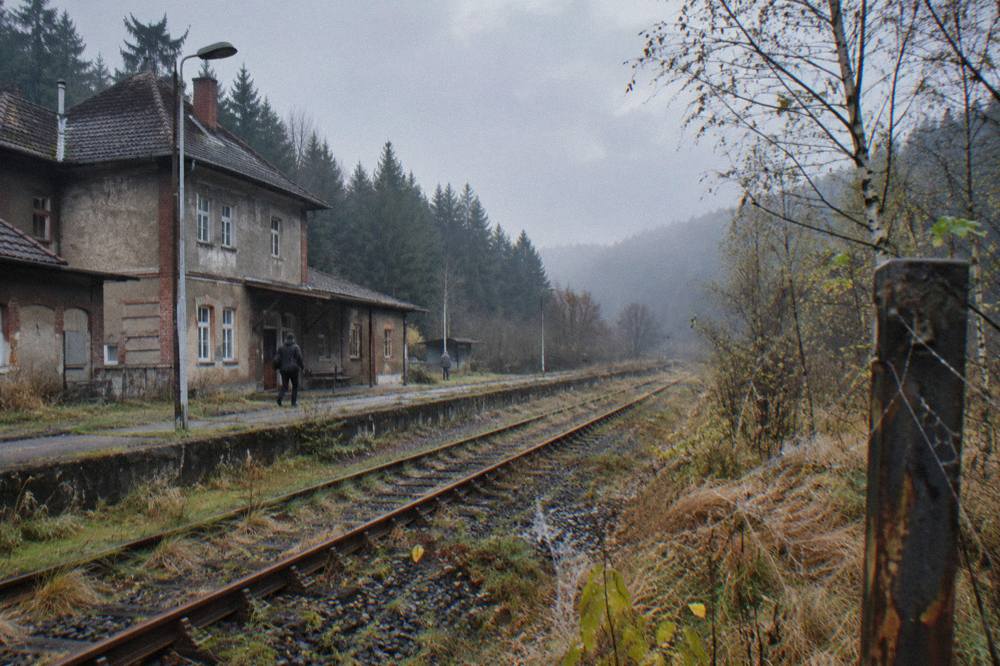
The story has economic roots as well. Wałbrzych was a coal and mining town for centuries, and mining towns everywhere grow legends of sealed shafts and hidden payrolls. The gold train is the local member of a worldwide family, from the Nazi gold of the Trains of Wałbrzych to Yamashita's gold in the Philippines. Historians of the region treat it accordingly.
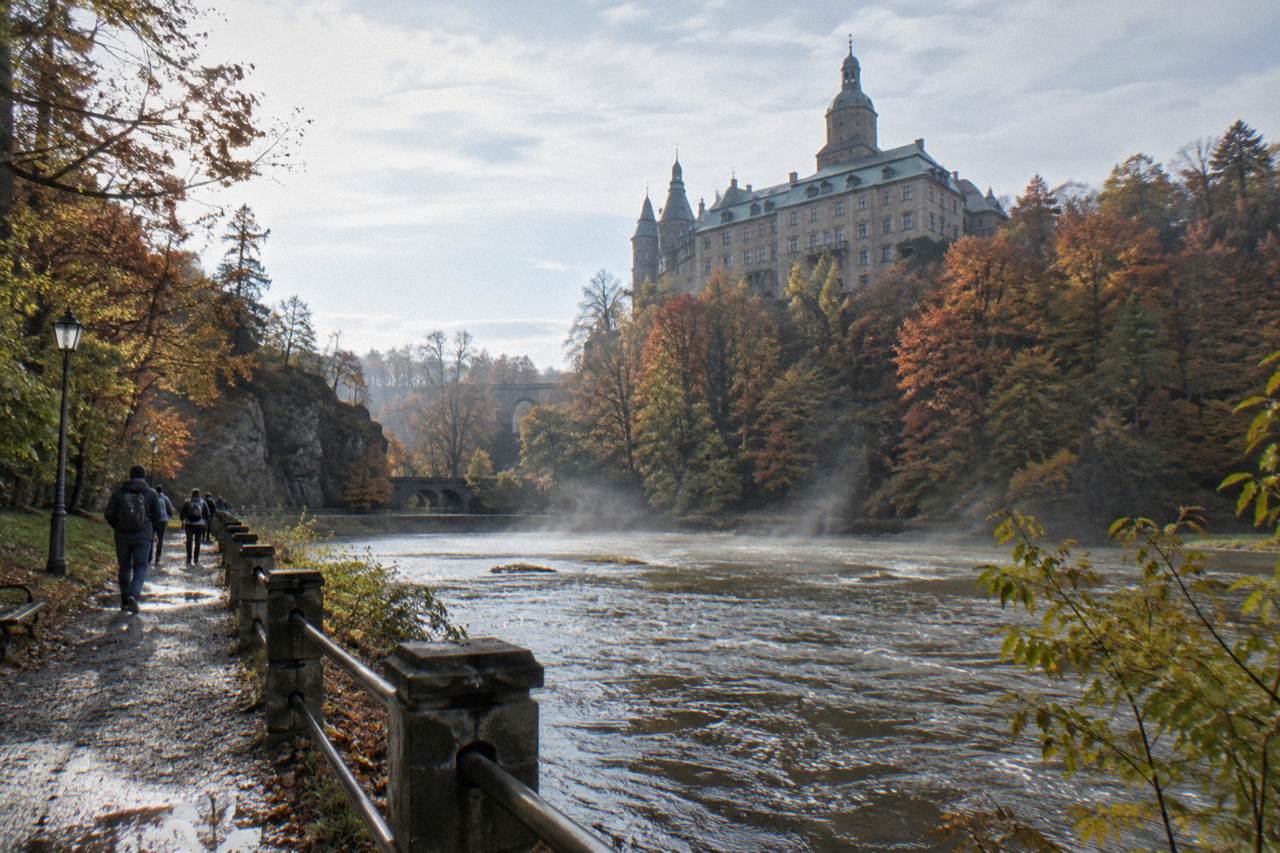
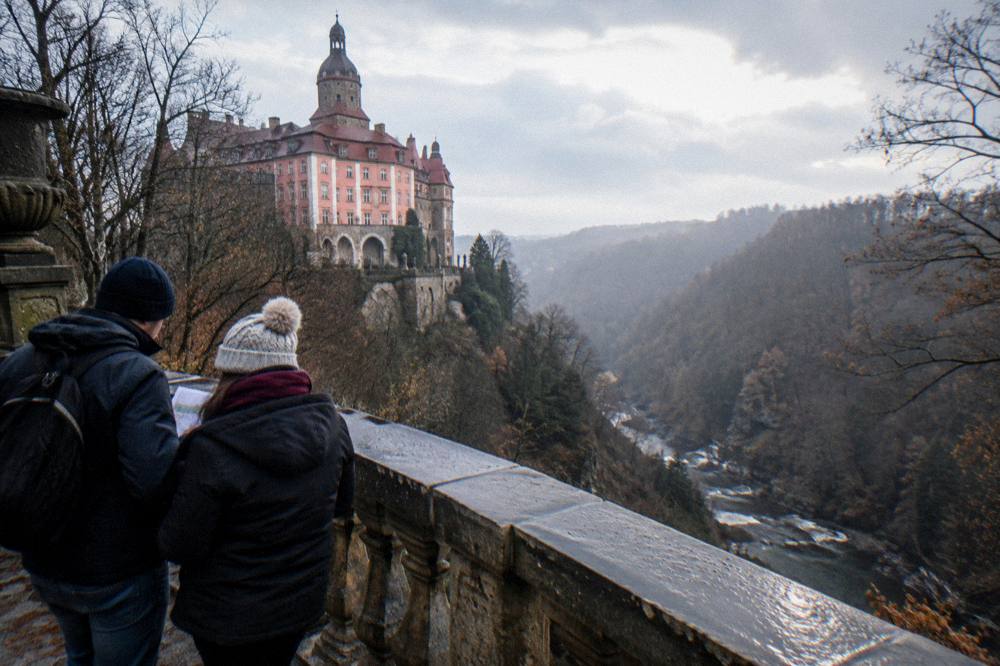
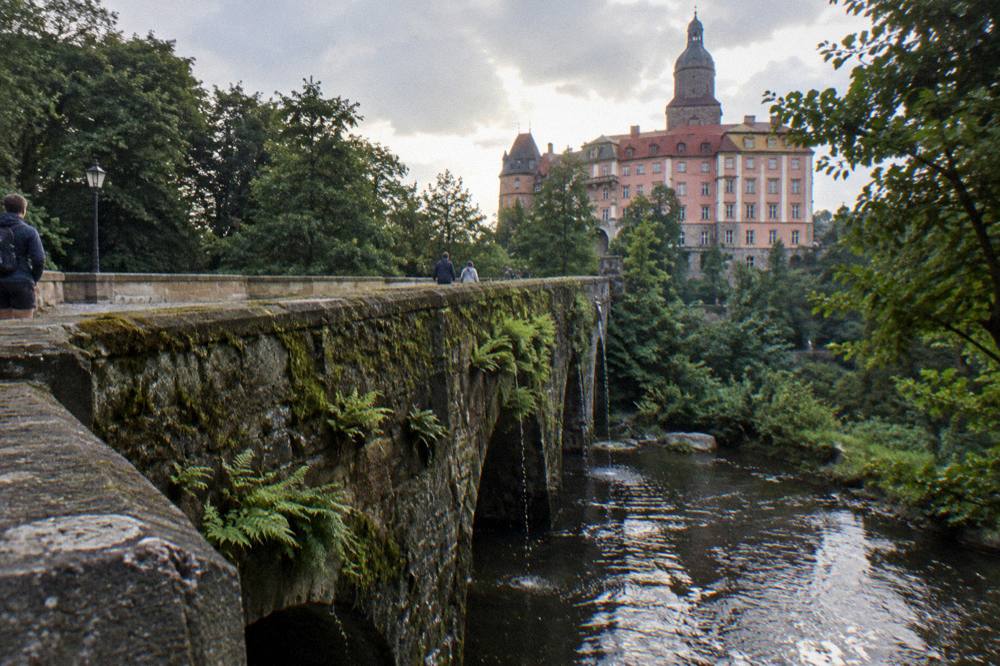
What keeps the legend commercially alive is partly the castle's own success as an attraction. Książ is the largest castle in Silesia and the third-largest in Poland after Malbork and Wawel, with roughly 400 rooms across about 11,000 square metres, set above the Pełcznica gorge in Książ Landscape Park. A site that dramatic practically demands a treasure.
Has Anyone Ever Found The Gold Train?
No. Every reported detection, excavation or claim connected to the gold train has ended without a verified find, and no official institution recognises the story as factual. The castle's municipal operator, which runs the tunnels under the castle, states plainly that no train has been found on its grounds.
That has not stopped repeated attempts. Ground-penetrating radar surveys, private digs and metal-detector sweeps have all been reported around Wałbrzych over the years, and each wave of media attention restarts the cycle. The consistent outcome is the same: soil anomalies, old workings, or nothing at all. Claims of a discovery have reliably dissolved under inspection, and no museum, prosecutor's office or university has ever confirmed recovering treasure from a train.
It is worth being precise about what this page can and cannot say. Reports of specific claims, names and dates around the gold train circulate widely, but they are not verifiable from the primary sources used here, so they are deliberately left out. What can be stated with confidence is negative and simple: nothing has ever been found, and the burden of proof sits entirely with the legend.
The practical consequence for visitors matters more than the argument. Nobody should book a trip expecting to see a train, a chamber of gold, or an active dig. Tour operators in the region, to their credit, market the tunnels on their documented history, not on treasure. Any tour that hints otherwise should be treated with caution.
The three day trips above are the ones that engage seriously with the real history: the private Project Riese and castle combination, the full-day Second World War itinerary that adds the Gross-Rosen Memorial, and the shorter Gross-Rosen and castle private pairing. All three depart from Wrocław, roughly 70 km northeast of Wałbrzych, and all three include hotel pickup in Wrocław per their listings. None of them promises anything except tunnels, memorials and the castle itself.
What Did The Nazis Actually Build Under Ksiaz Castle?
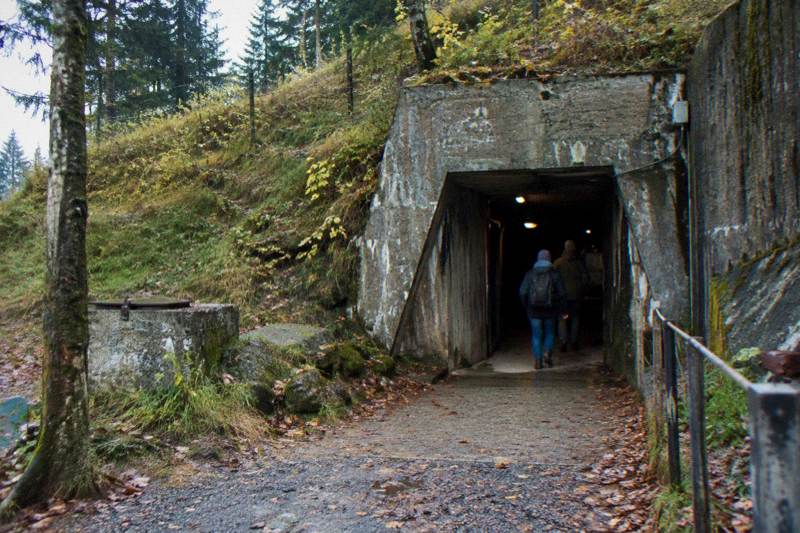
Between 1943 and 1945 the Nazi regime drove at least 1.5 km of reinforced tunnels and halls beneath Ksiaz Castle as part of Project Riese, a secretive construction program whose intended purpose was never documented. The work was carried out by forced labourers and concentration camp prisoners, thousands of whom died.
The facts here come from the castle's own underground route documentation and standard historical accounts. After the Nazi state took control of the castle, adits were cut into the rock beneath the terraces at a depth of roughly 50 metres. The official route today walks visitors through a concrete-reinforced hall, raw rock-hewn corridors and bunker side chambers, ending at a cave-in beside a collapsed elevator shaft that was meant to rise to the Honour Courtyard. Albert Speer's Organisation Todt was involved in the wider program.
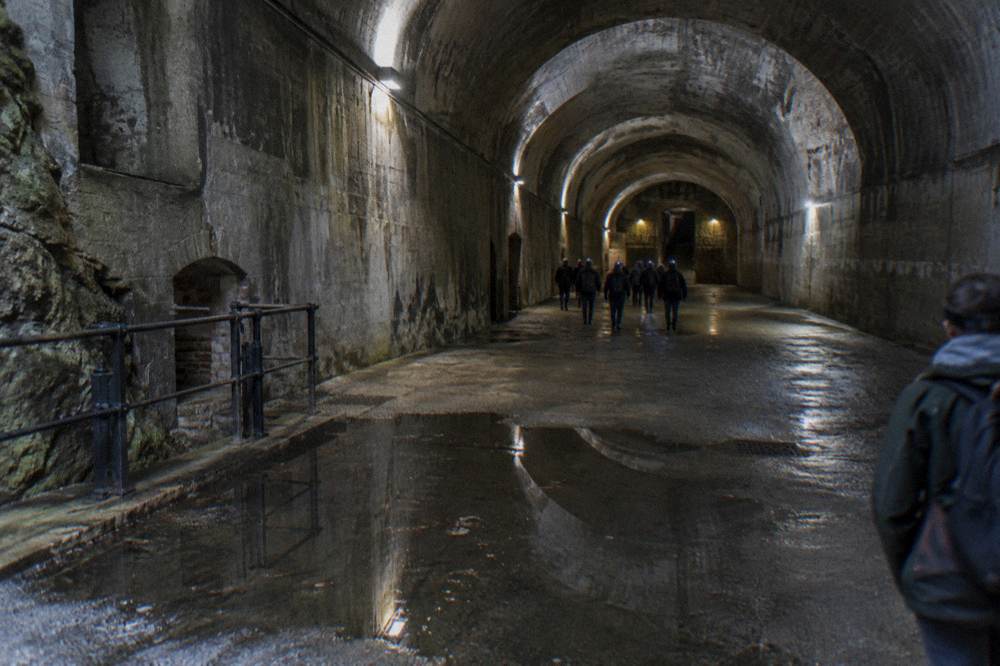
What the tunnels were for remains genuinely open. Theories include a Führer headquarters, armaments production, and secure storage, but no surviving order settles the question, and responsible guides present the range rather than a conclusion. The castle's underground route page frames the visit around the documented history and the forced labour that built it, which is the right tone for a site that doubled as a place of suffering.
| Element | Status |
|---|---|
| Reinforced concrete halls under the terraces | Verified, visitable on the underground route |
| Collapsed elevator shaft to the Honour Courtyard | Verified, end point of the route |
| Roughly 1.5 km of tunnel under the castle | Stated by the castle authority |
| An armoured train loaded with gold | Never verified by any source |
| A sealed chamber with wartime treasure | Never verified by any source |
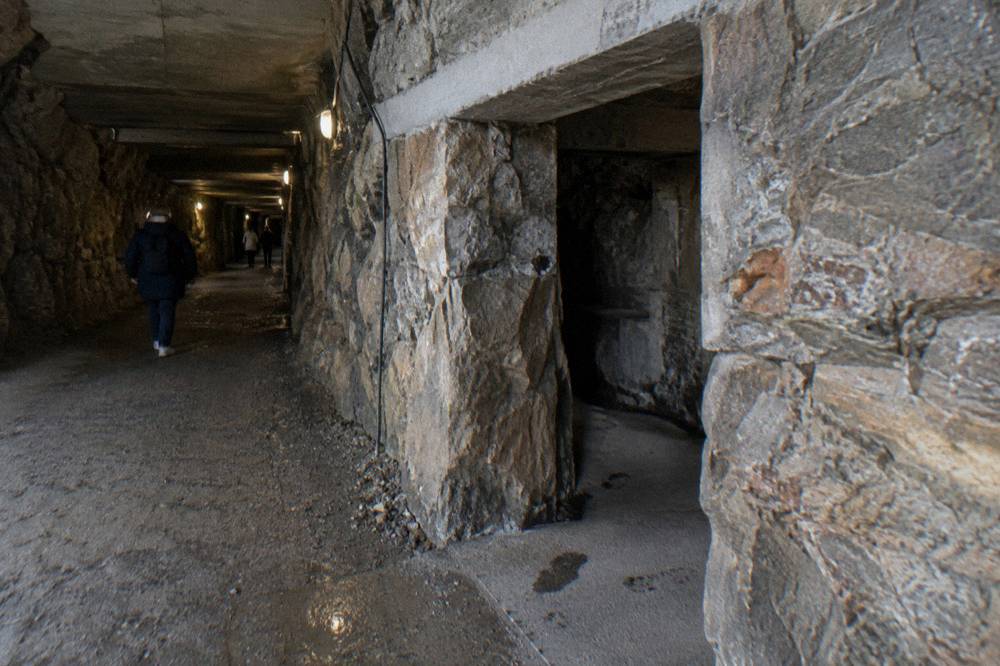
The human history deserves more weight than the treasure story. The Riese sites were dug by prisoners from Gross-Rosen subcamps under lethal conditions, and the dead are commemorated at the Gross-Rosen Museum in Rogoźnica, where entry for individual visitors is free and the exhibitions are open daily. Treating the tunnels as a memorial first and an attraction second is the standard the museums themselves set.
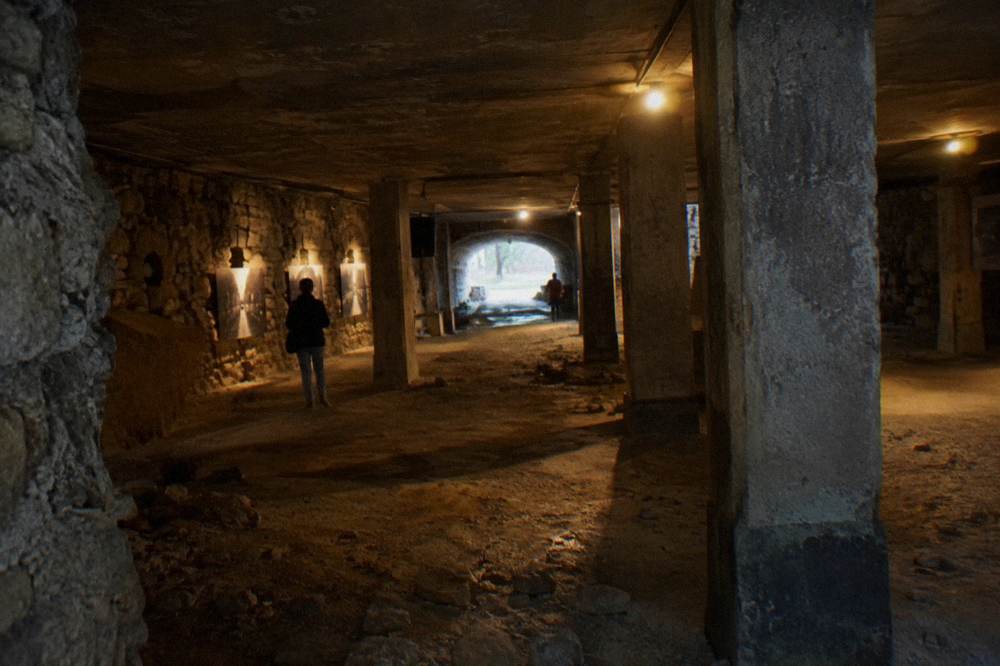
The same program reached beyond the castle. Osówka, Włodarz and the Walim drifts form the other main Riese complexes scattered through the Owl Mountains, all built by the same forced-labour system. The Project Riese sites guide covers those in detail, including Osówka's routes and prices. Together they explain why the legend attached itself to this landscape: the tunnels genuinely exist, in numbers large enough to hide anything.
For travellers who want the full wartime context rather than the castle tunnels alone, the WW2 Riese and Gross-Rosen day tour itinerary pairs the memorial with the underground sites, and the underground tunnels guide covers the castle route's practicalities in depth.
Can You Visit The Tunnels Where The Train Was Said To Hide?
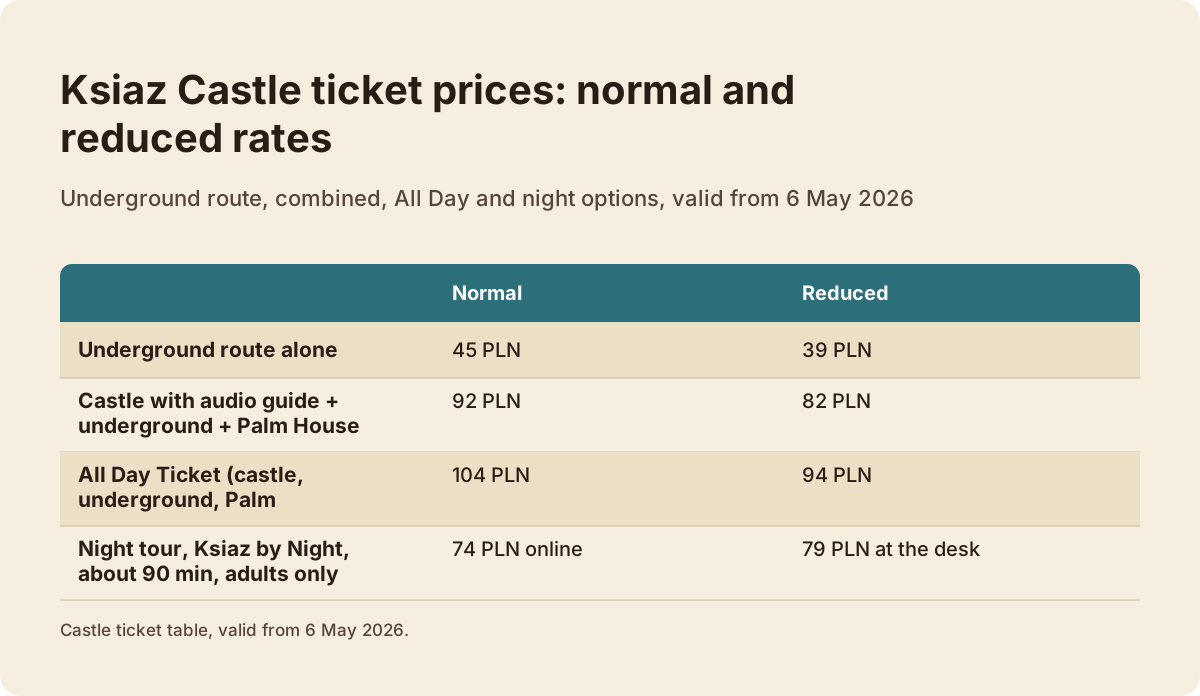
Yes. The underground tourist route under Ksiaz Castle is open to the public as a guided, timed tour of about 40 minutes, priced at 45 PLN normal or 39 PLN reduced, or bundled with castle and Palm House entry at 92/82 PLN. The air inside is about 6 C and children under 4 are not admitted.
The route is not a self-guided wander. Entries run at fixed times with a Polish-speaking guide, and foreign-language visitors use an audio-guide supplement, which the castle offers as the standard solution. Group sizes are limited per slot, and the castle asks visitors to arrive 15 minutes early at the gathering point, since the walk from the gate building takes about 15 minutes. Flat, sturdy shoes and warm clothing are the posted recommendation, and it is not hedged advice: the galleries hold a steady low temperature year-round with high humidity.
Access rules are firm. The route is not suitable for wheelchairs or visitors with significant mobility limitations, and the castle advises against it for people with circulatory or respiratory problems, claustrophobia, advanced pregnancy, or children under 4. No animals are allowed. None of this is marketing fine print; it reflects a genuine underground environment cut into bedrock.
| Ticket option (valid from 6 May 2026) | Normal | Reduced |
|---|---|---|
| Underground route alone | 45 PLN | 39 PLN |
| Castle with audio guide + underground + Palm House | 92 PLN | 82 PLN |
| All Day Ticket (castle, terraces, underground, Palm House, stud farm, mausoleum) | 104 PLN | 94 PLN |
| Night tour, Ksiaz by Night, about 90 min, adults only | 74 PLN online | 79 PLN at the desk |
Reduced rates apply to children from age 4, pupils to 19, students to 24, visitors over 65, and disabled visitors with carers, with ID. The Ksiaz Castle tickets guide works through the full ladder, and the hours blocks, published monthly, are covered on the opening hours page. Worth knowing before booking a timed underground slot: non-guided castle tickets stay valid for 12 months, but castle entry itself is same-day, so plan the underground timing within one visit.
One honest note on expectation-setting: the underground route is a historical and geological experience, not a treasure hunt. Visitors consistently report that the scale of the excavations and the story of the labourers who dug them are what stays with them. Framing a visit that way, rather than around a mystery, matches both the evidence and the site's own interpretation.
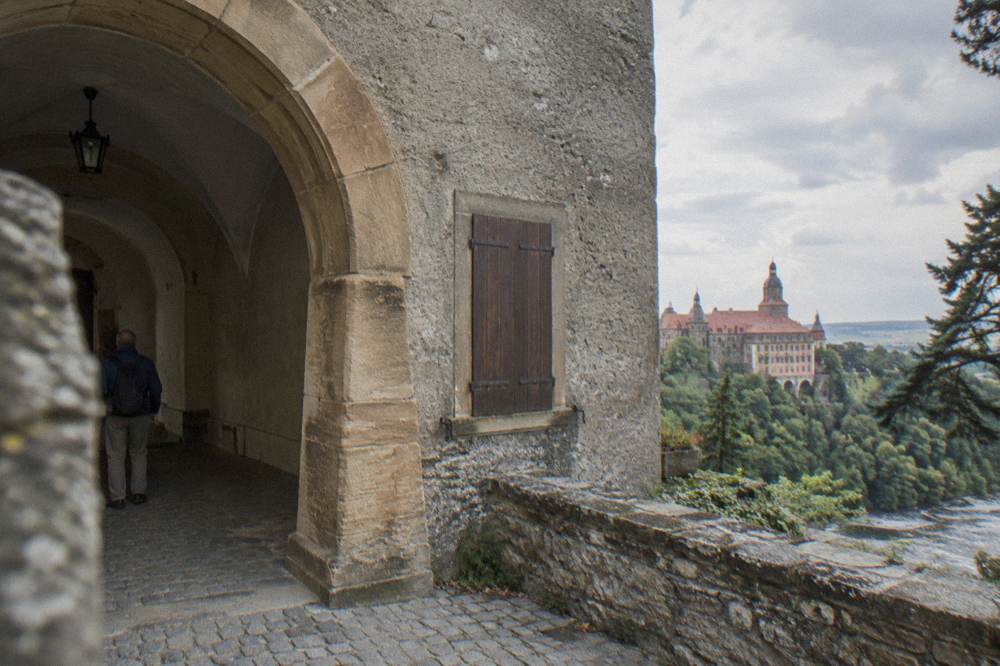
Which Tours From Wroclaw Cover The Riese Sites?
The strongest option is the Wroclaw Project Riese and Ksiaz Castle private tour, about 7 to 8 hours, from $198, rated 4.8 across 42 reviews, with hotel pickup in Wroclaw and castle entry tickets included. A deeper alternative is the Day of WW2 tour at roughly 9 to 10 hours, from $253 per person, rated 4.8 across 19 reviews.
The private Riese and castle pairing is the natural fit for readers of this page because it goes where the legend lives. The itinerary pairs Osówka's underground town with the castle itself, door to door from a Wrocław hotel, in English. With roughly seven to eight hours on the road and underground, it fits comfortably into a day trip without rushing either site, and the inclusion of castle entry tickets removes the most common booking friction. Food, drinks, gratuities and local guides are listed as not included, so budget a lunch stop in Wałbrzych or Świdnica.
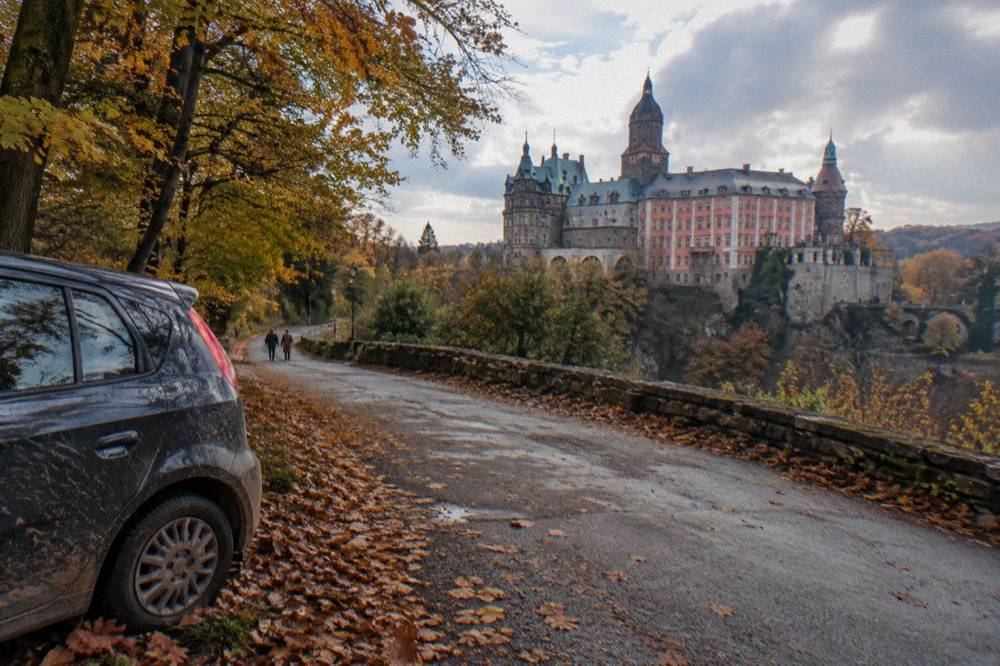
The fuller wartime itinerary suits readers who want the memorial context alongside the tunnels. The Day of WW2 tour visits the Gross-Rosen Museum, Książ Castle and the Osówka underground town in one loop of roughly nine to ten hours, capped at 8 travellers, from $253 per person with hotel pickup in Wrocław. Its 4.8 rating across 19 reviews reflects a small but consistently positive pool, and lunch is not included, so the midday stop is a chance to try a local bar mleczny rather than a catered pause.
A third route pairs Gross-Rosen with the castle in about six to seven hours. That private tour runs from $179.32, with hotel pickup in Wrocław; its listing does not state ticket inclusion, so check the booking page for what entry covers before comparing prices. It carries only one review so far, too few for a star claim, which is worth knowing rather than a reason to skip it.
| Tour | Duration | Price | Reviews | Pickup |
|---|---|---|---|---|
| Project Riese and Ksiaz Castle private tour | about 7 to 8 hours | from $198 | 4.8 across 42 | Hotel pickup in Wroclaw |
| Day of WW2: Riese, Gross-Rosen, Ksiaz Castle | about 9 to 10 hours | from $253 per person | 4.8 across 19 | Hotel pickup in Wroclaw |
| Gross Rosen and Ksiaz Castle private tour | about 6 to 7 hours | from $179.32 | 1 review, too few for a rating | Hotel pickup in Wroclaw |
| Ksiaz Castle, Tunnels and Church of Peace tour | about 8 hours | from $145 per person | 4.8 across 117 | Fixed meeting point, central Wroclaw |
The last row is the group benchmark: the Ksiaz Castle, Tunnels and Church of Peace tour, from $145 per person, is the most reviewed castle-and-tunnels option at 4.8 across 117 reviews, capped at 8 travellers and meeting at Cinema Nowe Horyzonty on Kazimierza Wielkiego in central Wrocław. It includes castle entry tickets and covers the castle interiors, tunnels and Palm House, plus the UNESCO Church of Peace in Świdnica, but there is no pickup; you meet the group in the centre.
For readers comparing group against private formats generally, the private versus group tour comparison works through the trade-offs, and Ksiaz Castle Tours covers the full range of day trips from Wrocław. The short version: group tours share the cost and fix the schedule, private tours add hotel pickup and flexible pacing.
Is The Gold Train Story Still Worth Following?
As folklore and a window onto post-war memory, yes. As a treasure lead, no. The story tells historians more about how mining communities process wartime loss than about buried valuables, and following it to Walbrzych delivers visitors to genuine sites that stand on their own merits.
There is a respectable way to enjoy the legend. Folklorists treat recurring treasure stories as documents of their eras: what a community feared, what it lost, what it hoped might still be recovered. The Wałbrzych version braids together the region's mining identity, the very real wartime takeover of the castle, and the physical presence of unfinished tunnels that nobody fully explained to the people living above them. Read that way, the legend is local history in folk dress.
The disrespect happens when the story is used to sell treasure hunts. Tunnels dug by concentration camp prisoners are a memorial landscape, and operators who lean on gold fever to fill seats cheapen that. The tours listed above avoid it, and the museums at Osówka and Gross-Rosen interpret the sites through documented history. Visitors can hold the same standard when choosing how to spend a day.
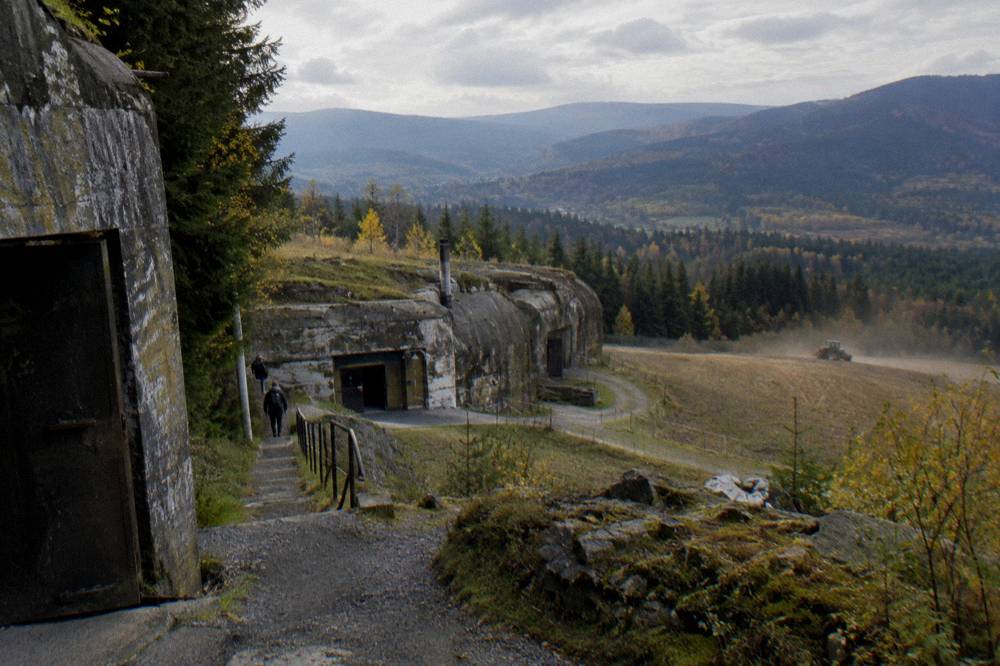
It also helps to understand the scale of what was actually built, because the truth is more impressive than the myth. Across the Owl Mountains the Riese program opened seven main underground complexes, with sites like Włodarz exceeding three kilometres of passages and halls up to about 12 metres high, much of it abandoned unfinished when the war ended. The castle tunnels are one node in a network that consumed enormous resources and a great many lives, which is the fact worth carrying home.
How Do You Plan A Visit Around The Riese Sites?
Base yourself in Wroclaw or Walbrzych, pick one underground site per day, and book the castle's timed underground slots online in advance. The castle sits about 70 km from Wroclaw; Osowka lies roughly 30 km further southeast; Gross-Rosen is near Rogoznica, 7 km from Strzegom on road 374.
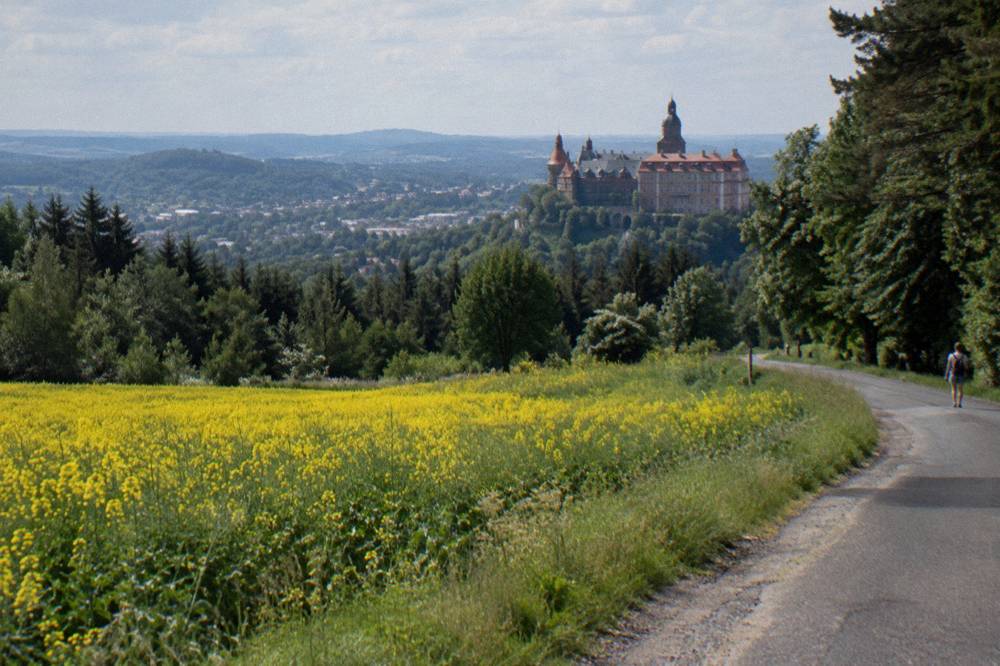
Sequencing matters because underground fatigue is real. Two tunnel routes in one day is the sensible maximum, and the All Day Ticket at 104 PLN normal already packs the castle route, terraces, Palm House, stud farm and mausoleum into a single visit. Osówka's historic route costs 40 PLN normal or 33 PLN reduced, runs about 60 minutes with no booking needed, and is open year-round, with hours of 10:00 to 17:00 on Monday, Tuesday and Sunday and 10:00 to 16:00 Wednesday to Saturday per its official site. Its extreme route, about 70 minutes, costs 45/40 PLN and does require booking.
| Site | Distance from the castle | Entry | Notes |
|---|---|---|---|
| Ksiaz Castle underground route | On site | 45/39 PLN | Timed guided slots, about 40 minutes |
| Osowka underground city | about 30 km southeast | 40/33 PLN historic route | Open year-round, no booking for part 1 |
| Gross-Rosen Museum, Rogoznica | about 55 km north | Free for individuals | Daily, 8:00 to 16:00 Oct to Apr |
| Palm House, Wroclawska 158 | about 2 km from the castle | 27/21 PLN | Included in combined castle tickets |
Season shapes the plan. The castle posts its opening hours month by month; in November 2026 the interiors run 10:00 to 16:00 on weekdays and 10:00 to 17:00 on weekends, with the Palm House daily to 16:30, and 1 November sees the interiors closed entirely. From November through February the evening draw is the Gardens of Light on the terraces and in the Palm House grounds, running Sunday to Thursday 17:00 to 20:00 and Friday to Saturday 17:00 to 21:00, with combined tickets at 65/55 PLN. December to March daytime hours had not been published at the time of research, so check the castle's site before fixing dates.
Independent travellers can reach Wałbrzych by regional train and connect toward the castle with local buses, a route the Wroclaw to Ksiaz Castle transport guide covers step by step. Hotel pickup in Wrocław, offered on the private tours above, removes all of that friction and is the reason most visitors on a tight schedule choose a tour over self-driving. Either way, book the timed underground slot early in high season, because capacity per guided entry is limited.
Common Questions About The Walbrzych Gold Train
Has The Walbrzych Gold Train Ever Been Found?
No. No train, gold or sealed chamber connected to the legend has ever been verified by any official body, museum or archaeological authority. Every reported search around Walbrzych has ended without a confirmed find.
Are The Tunnels Under Ksiaz Castle Real?
Yes. The castle operates a public underground route through tunnels dug between 1943 and 1945 as part of Project Riese, about 1.5 km of reinforced passages at roughly 50 metres depth, built with forced labour.
Can You Visit The Tunnels Where The Train Was Supposedly Hidden?
Yes. The castle's underground tourist route runs guided, timed tours of about 40 minutes for 45 PLN normal or 39 PLN reduced, and combined castle tickets that include it start at 92/82 PLN.
Which Tour Covers The Gold Train Sites?
The Wroclaw Project Riese and Ksiaz Castle private tour, from $198 for about 7 to 8 hours with hotel pickup in Wroclaw and castle entry tickets included, visits the Osowka underground complex and the castle tunnels in one day. No tour promises treasure.
Why Do People Believe The Gold Train Story?
Because the setting makes it plausible. The Owl Mountains are honeycombed with genuine Nazi-era tunnels and old mine workings, and the castle passed into Nazi hands during the war. Real tunnels plus wartime secrecy is fertile ground for legend.